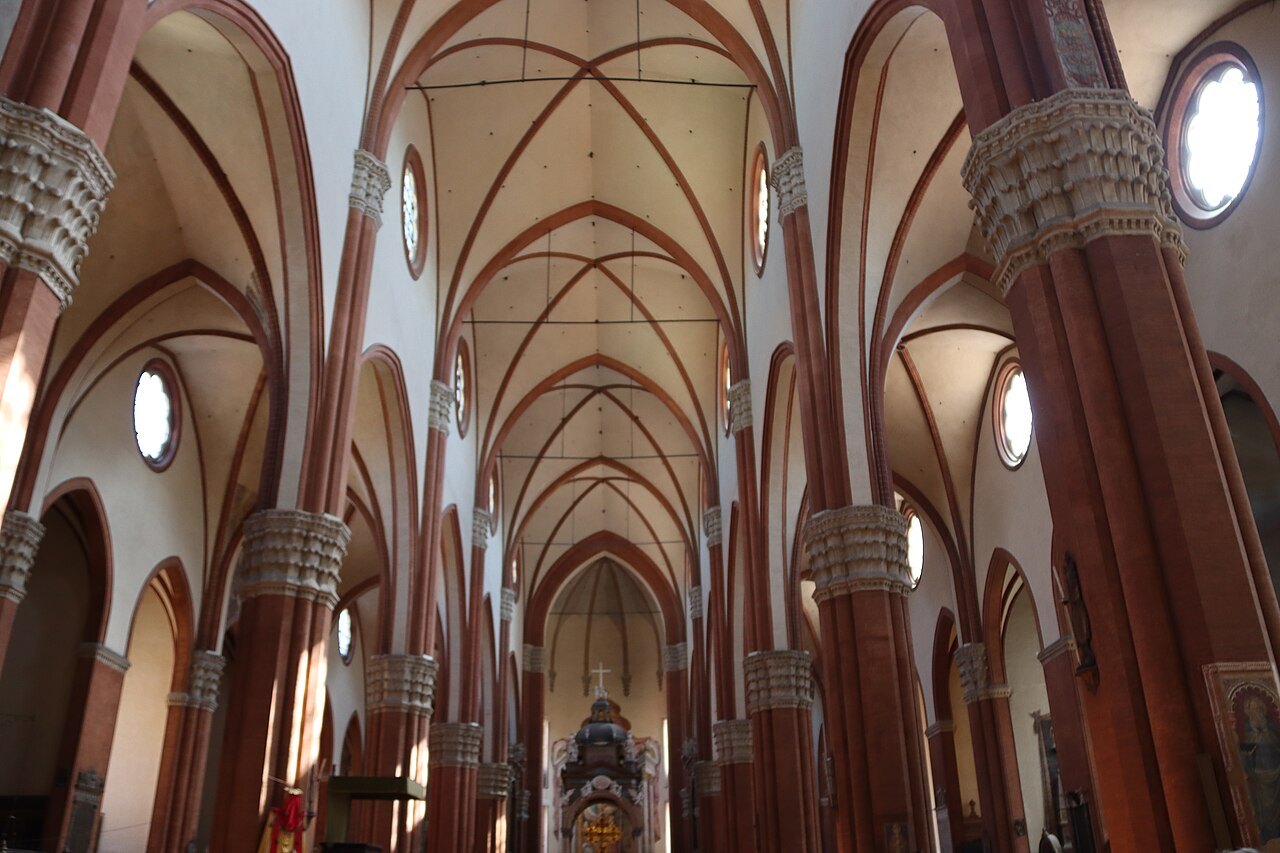
Set into the marble floor of San Petronio, running diagonally across the left aisle, is a thin brass line that has been quietly doing astronomy for centuries. It looks almost incidental next to the basilica's soaring Gothic vaults, but it is one of the longest meridian lines ever built into a church, and it still works exactly as its designer intended. Catching it in action takes nothing more than a bit of planning around the weather and a few minutes of patience.
What the line actually does
The meridian line was laid out in the seventeenth century by the astronomer Giovanni Domenico Cassini, who used San Petronio's enormous interior as a giant pinhole instrument. High in the vault, a small opening — a gnomon hole — lets a single beam of sunlight fall onto the floor below. As the sun's angle changes through the year, the spot of light moves along the brass line, crossing marked points for the solstices, the equinoxes, and the signs of the zodiac. At the moment the sun reaches its highest point of the day, the light lands precisely on the line itself.
This wasn't built as decoration. Cassini's instrument was used to make careful, real-world measurements of the solar year, and it played a role in debates over calendar reform at a time when getting the length of a year right actually mattered to civic and religious life across Europe. It's a working scientific instrument that happens to live inside one of the city's great sights, which is part of what makes finding it so satisfying.
Finding the right day and light
The mechanism depends entirely on direct sunlight reaching the floor, so a bright, cloudless sky is essential — on an overcast day there is simply no beam to watch. Because Bologna's weather shifts quickly, it's worth checking conditions the morning of your visit rather than planning around the line days in advance. If the forecast looks doubtful, the basilica itself is still worth the stop regardless of what the sky is doing; a visit here slots easily into a plan built around the weather, much like the suggestions in our piece on how a rainy day hardly changes the plan.
If you want the best chance of seeing the light actually crossing the line rather than just the brass itself, aim to be inside around the middle of the day, when the sun is at its highest. The exact moment shifts slightly through the year, and the basilica's own staff or posted information will have the clearest sense of current conditions — it's worth asking at the door rather than guessing.
Note San Petronio is an active place of worship, and services take priority over sightseeing. The area around the meridian line can be closed off or harder to reach during mass. Check the schedule posted at the entrance, and see our booking ahead notes for how to plan visits to working churches without clashing with services.
Where to stand and what to look for
The line runs from near the main door toward the altar, with small inlaid markers along its length indicating the zodiac signs the sun occupies at different times of year. In winter, the patch of sunlight falls closer to the altar end, since the sun sits lower in the sky; in summer it lands much nearer the entrance. Walk the length of the line slowly and you'll start to pick out the faint divisions in the stone that mark months and solstices — details easy to miss if you're only glancing down as you pass through.
Stand to one side rather than directly over the line itself, both out of courtesy to other visitors and because the beam is easiest to see from a slight angle, where the contrast with the surrounding stone floor is sharper. The basilica is large and usually has room to find a quiet spot even when it isn't empty, but avoid lingering directly in the main aisle during busier stretches of the day.
This kind of hidden mechanism tucked into an everyday space isn't unique to San Petronio — Bologna has a habit of folding clever engineering into ordinary corners of its public buildings. If you enjoy spotting these details, it's worth reading about what the whispering corner under the Podestà actually does, a similarly unassuming bit of architectural trickery a short walk away.
Pairing the visit with the rest of the square
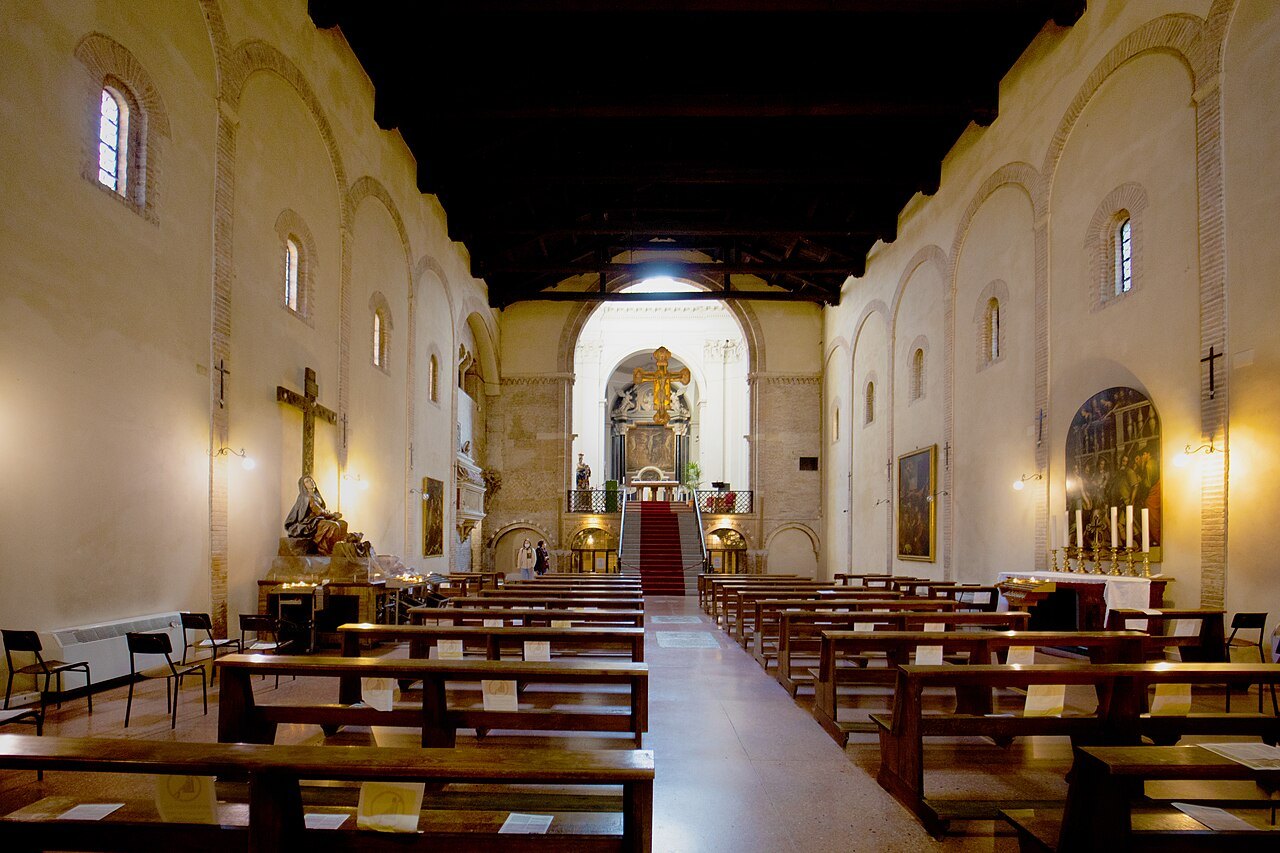
San Petronio faces directly onto Piazza Maggiore, so a stop to see the meridian line fits naturally alongside the square's other landmarks — there's no need to treat it as a separate trip. Our San Petronio page covers the basilica's facade, its scale, and what else to notice inside beyond the line itself, including the chapels and the unfinished brickwork that tells its own story about how the building was funded and built over centuries.
If you're trying to time a visit around weather, light, or crowds more generally, our when to come guide has broader seasonal notes that apply well beyond this one feature — useful if the meridian line is just one stop on a day built around good light and manageable queues elsewhere in the city.
None of this requires special access or a guided tour. The line is there on the floor whenever the basilica is open, doing exactly what it was built to do whether anyone is watching or not. The only real trick is showing up on a sunny day, around the middle of it, and taking a moment to actually look down.
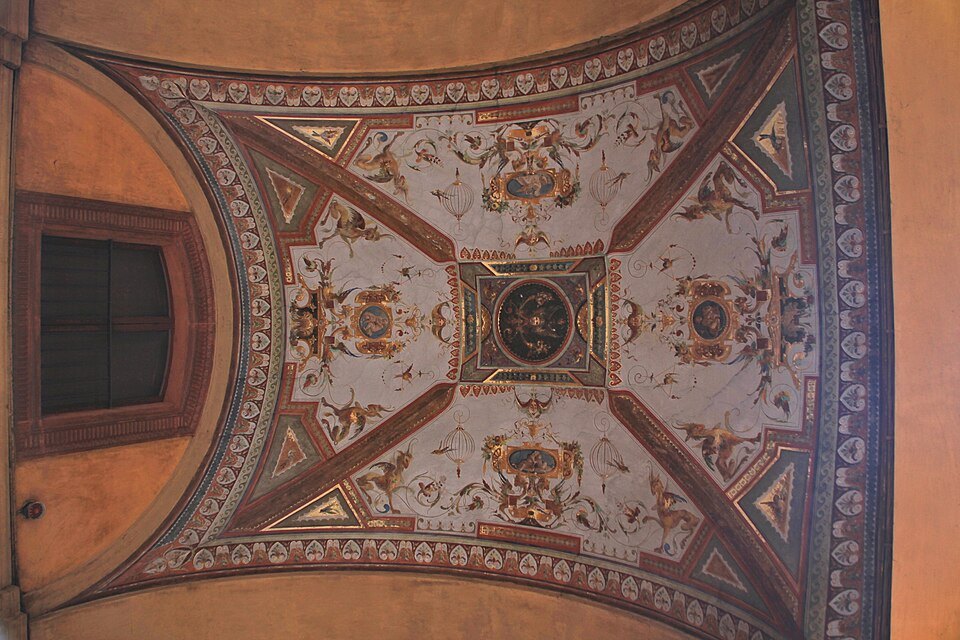 A rainy day in Bologna hardly changes the plan
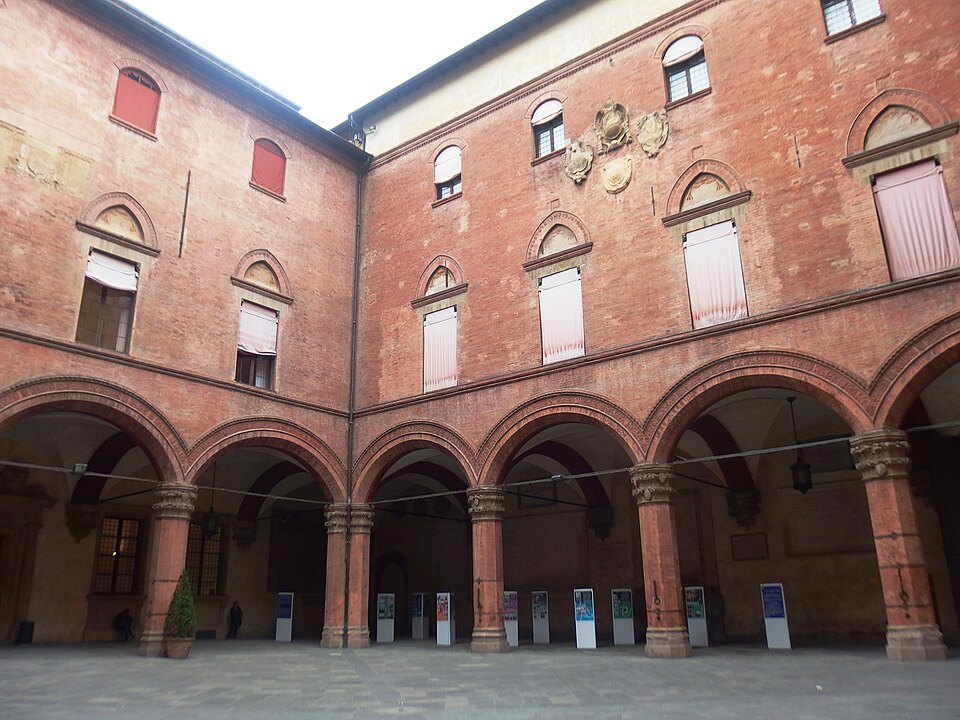 What the whispering corner under the Podestà actually does