la Rossa
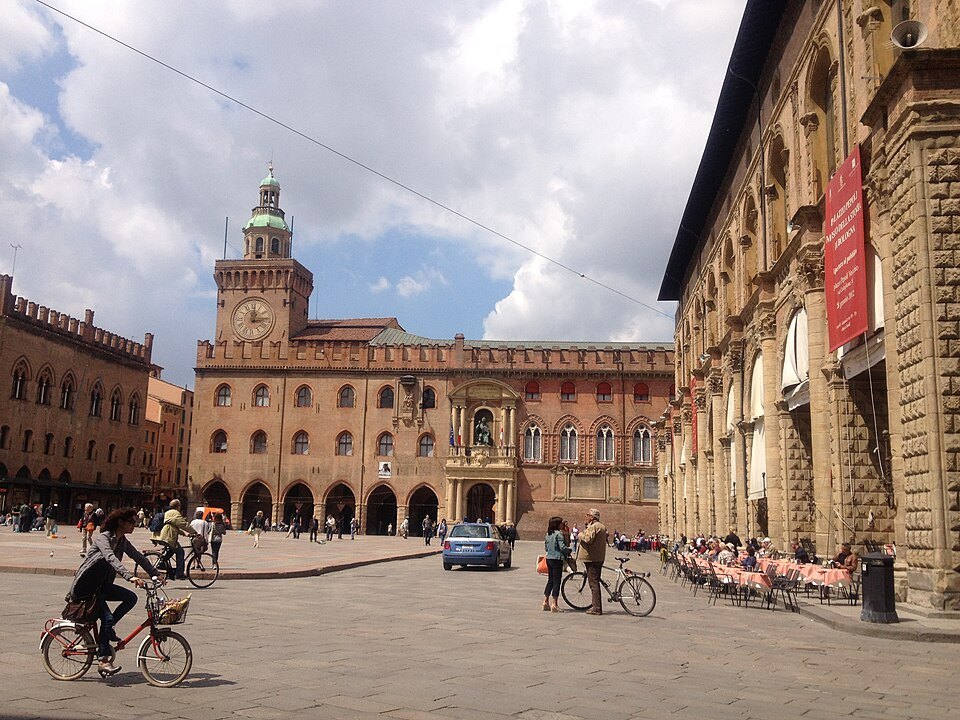
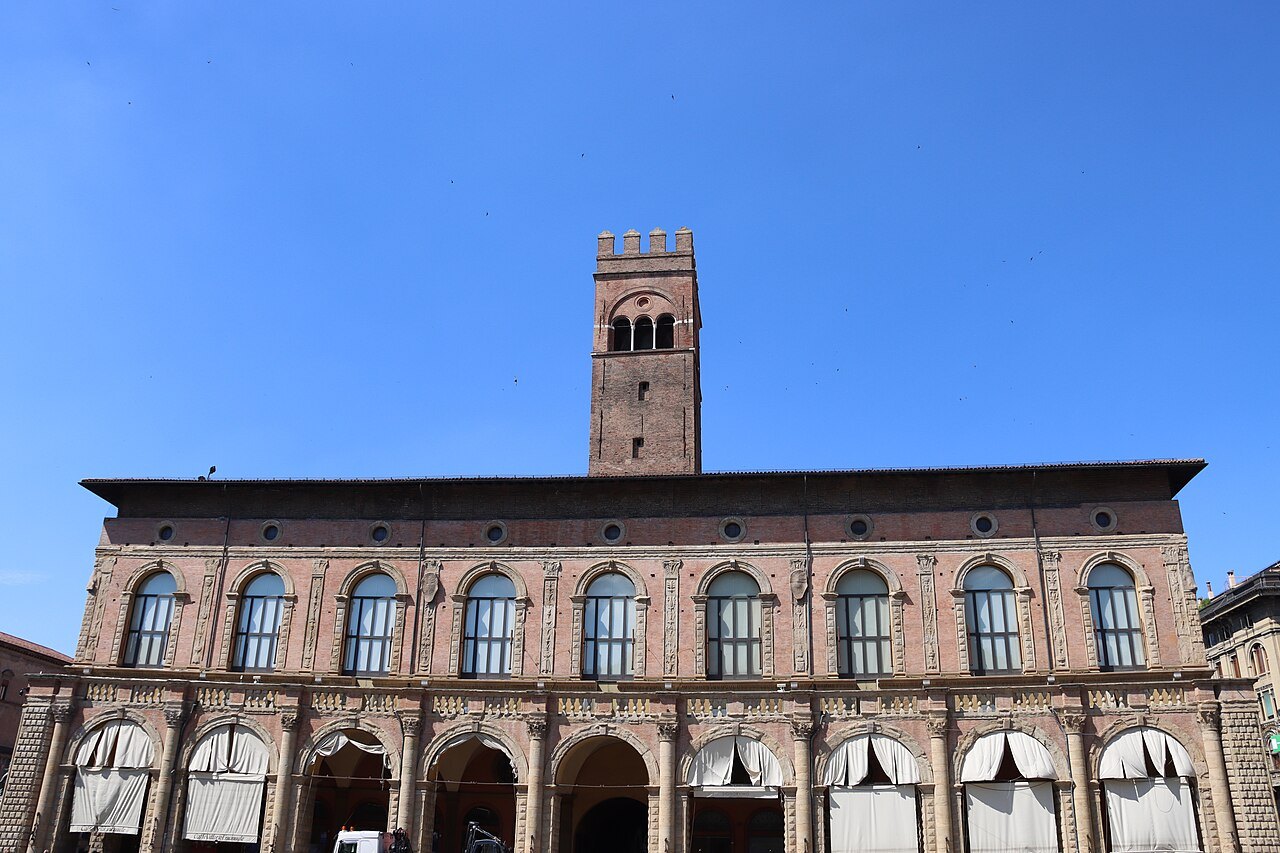
- Piazza MaggioreA square walled in by civic palaces and an unfinished basilica, which the whole city…
- San PetronioA vast brick basilica with half a marble facade, a meridian line in its floor, and a…
- The Neptune FountainGiambologna's Neptune in the square beside Piazza Maggiore, cleaned back to bronze and…
- Palazzo d'AccursioThe seat of the city's government since the Middle Ages, built out from a jurist's house…
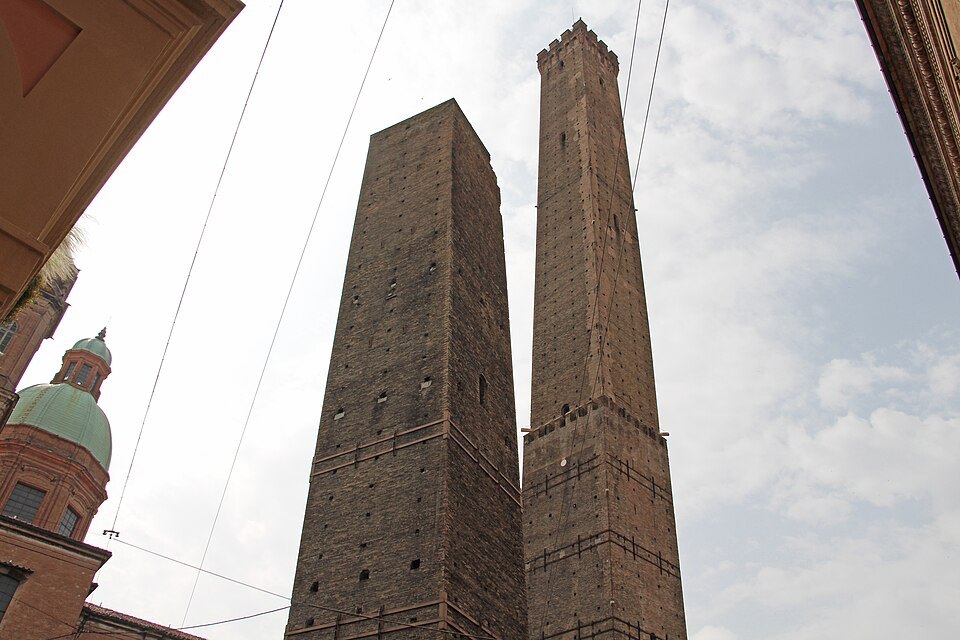
- The Two TowersThe Asinelli and the leaning Garisenda at the city's crossroads — one tall, one short,…
- Santo StefanoA cluster of linked churches known as the Sette Chiese, entered from a triangular square…
- San Luca and its PorticoA sanctuary on a wooded hill southwest of the city, reached on foot under nearly four…
- The PorticoesBologna's arcades — medieval, baroque and modern — and why the city was required to build…
- The Finestrella of Via PiellaA small shuttered window in a street wall, and behind it the water that once powered…
- The MontagnolaA raised park on the northern edge of the center, reached by a grand stair from via…
la Dotta
- The ArchiginnasioArcades covered in students' coats of arms, and a carved wooden anatomy theater rebuilt…
- Palazzo PoggiThe university's headquarters on via Zamboni, with frescoed halls and the collections of…
- Pinacoteca NazionaleThe national picture gallery in the university quarter, strongest on the Bolognese school…
- San DomenicoThe basilica where Saint Dominic is buried, and the marble tomb that three centuries of…
la Grassa
- The QuadrilateroA grid of narrow lanes behind Piazza Maggiore, named for the guilds that worked them and…
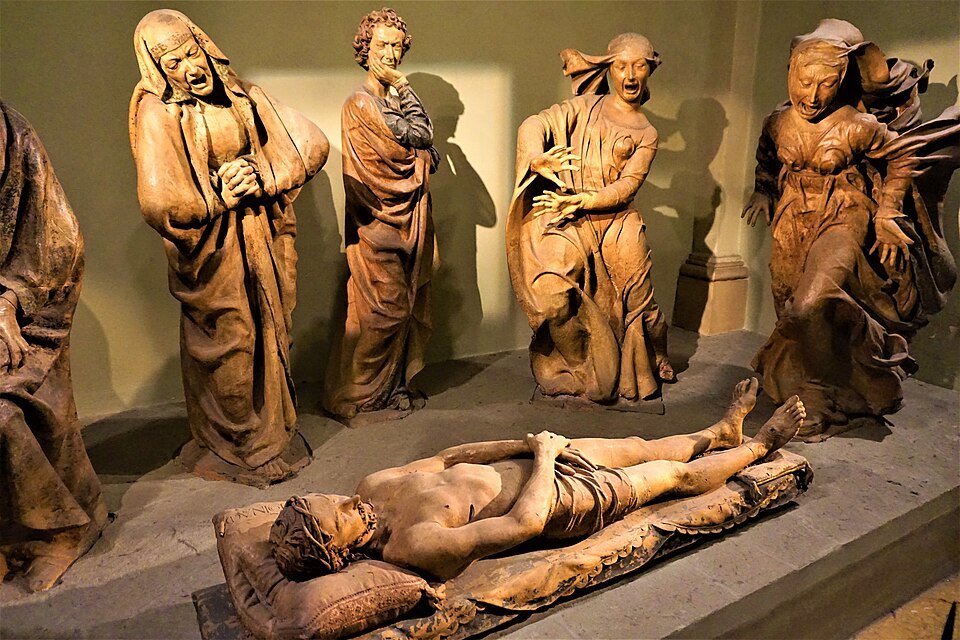
- Santa Maria della VitaA church in the market lanes that holds Niccolò dell'Arca's Compianto, a lament frozen at…
01How this list works
Sixteen sights, each with its own page: what it is, why it is there, and what to look for when you arrive. No prices and no opening times — those change, and the operator is the only source that is right on the day.
Bologna has three old nicknames, and they sort the list. La Rossa, the red one, for its brick, terracotta roofs, towers and porticoes. La Dotta, the learned one, for the university. La Grassa, the fat one, for the kitchen.
02If you have one day
Walk it: Piazza Maggiore early, San Petronio and the Archiginnasio beside it, lunch in the Quadrilatero, then east along the porticoes to Santo Stefano, and back to the two towers as the light goes. Everything else is a bonus — see itineraries.
03The pattern to notice
Almost everything here is brick, and almost everything is older than the facade suggests. Towers are hidden inside later houses, medieval timber porticoes survive behind baroque ones, and a canal runs under streets that forgot it. See towers and gates and the Finestrella.