Read the city
What Bologna is
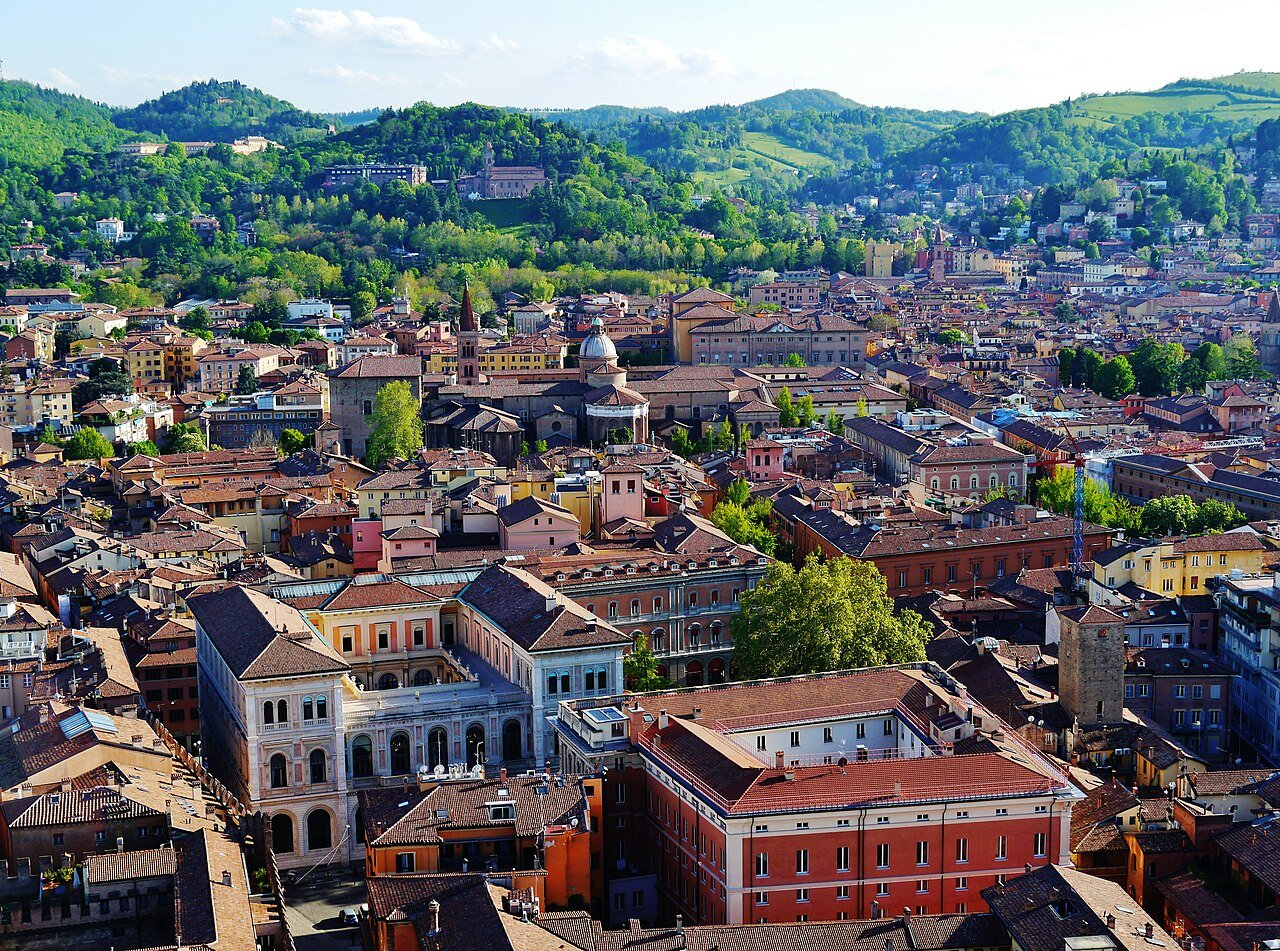
Bologna is the capital of Emilia-Romagna, a city of just under 400,000 people in the city on the edge of the Po plain, where the Apennine foothills begin. Its center is brick and terracotta inside a ring of avenues that follows the line of the old walls, and it is small enough to cross on foot in about half an hour.
What you walk past
The university traditionally dates its first teaching to 1088, and you can still walk into its sixteenth-century home at the Archiginnasio — this is la Dotta, the learned city. In the twelfth and thirteenth centuries its families raised dozens of towers; around twenty still stand. Work on San Petronio began in 1390 and never finished. And over all of it run the porticoes — some 62 kilometers of them, on the UNESCO list since 2021.
What it is known for
For those arcades and its red roofs, la Rossa; for its kitchen, la Grassa — tortellini, tagliatelle al ragù and mortadella; and for being the rail junction of northern Italy, which makes it the best base for Ravenna, Modena, Ferrara, Parma and Florence. Plan by season, pick where to stay, follow an itinerary, and see what little needs booking ahead — or start with the sights.
Schematic, not to scale.
The high-speed platforms are deep underground.
At Bologna Centrale they sit in a separate hall far below the old station — allow real time to reach them.
Getting hereArriving by carCameras guard the historic center.
The ZTL records every unauthorized plate; ask your hotel about registration before you arrive.
Getting hereOn footThe porticoes are the map.
Arcades line almost every central street, so the city can be walked in rain or August sun.
Getting aroundItaly · Emilia-RomagnaJust under 400,000 peopleItalianEuro
The guide, bay by bay
Eleven sections, each one a practical question about the city, and the journal at the end of the arcade.
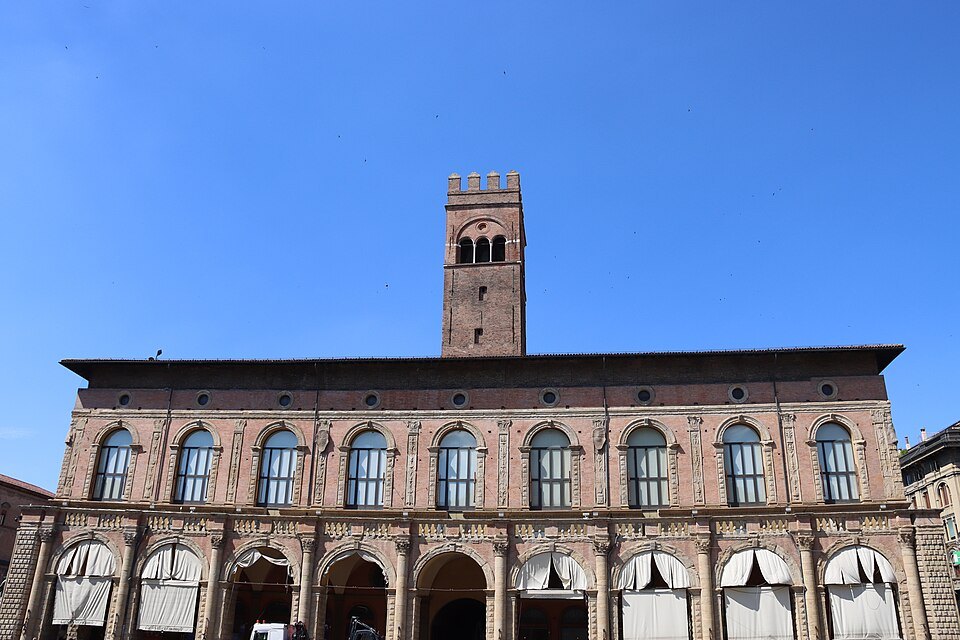 Sixteen places, in three partsThe SightsEverything in the city worth a page of its own: the red city, the learned city and the fat one.
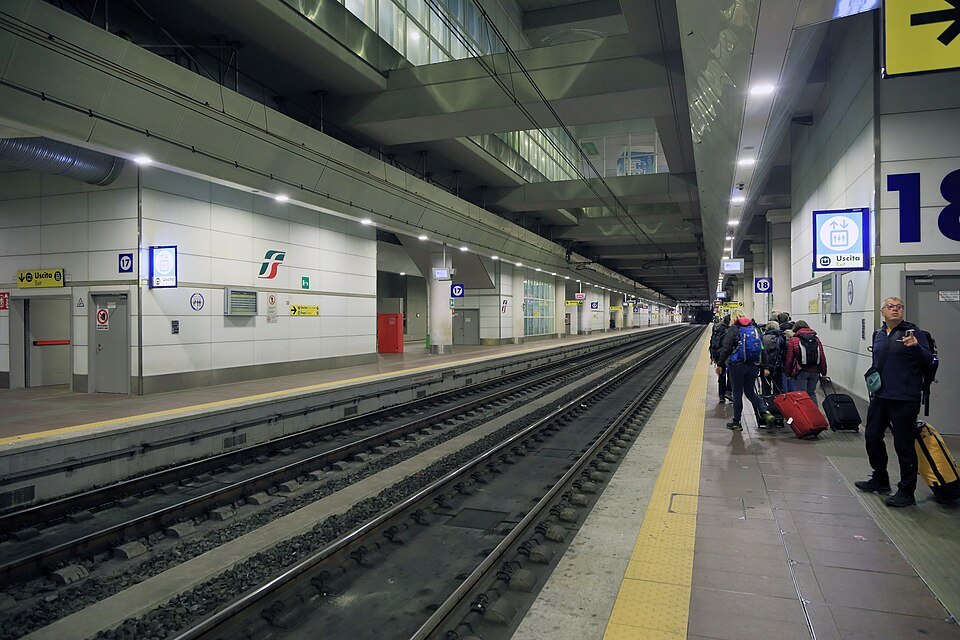 The railways of italy cross under this cityGetting HereBy air, by high-speed train, by coach or by car — and the one thing each way in catches visitors out on.
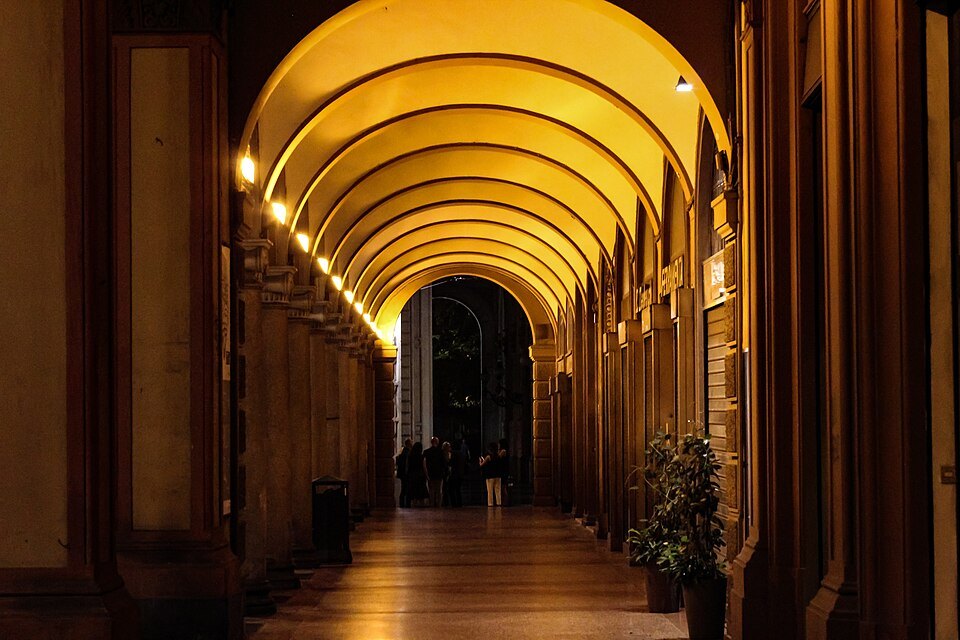 The porticoes are the mapGetting AroundA center you can cross on foot under cover, a bus network for the edges, and a bicycle for everything between.
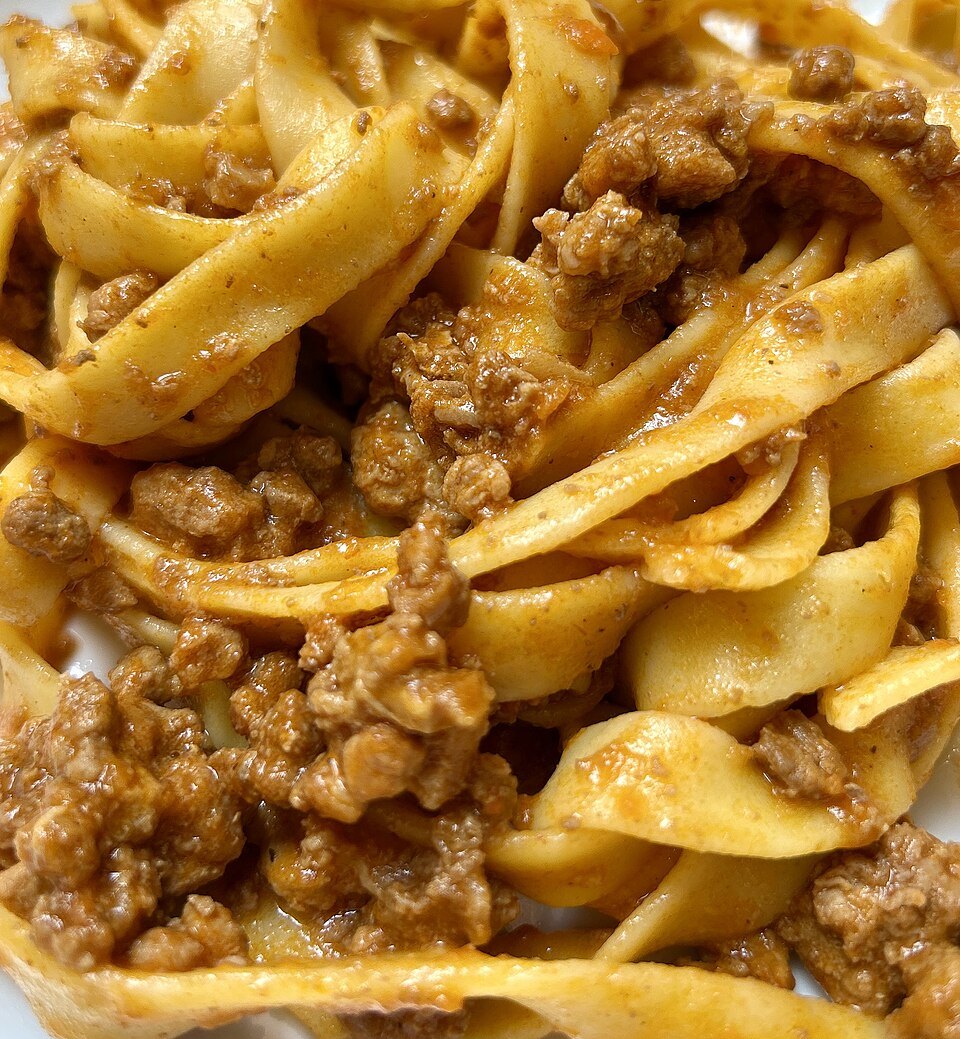 La grassa: egg pasta, pork and brothEating and DrinkingWhat the fat city cooks, what it does not — spaghetti bolognese is not on the list — and how to eat it.
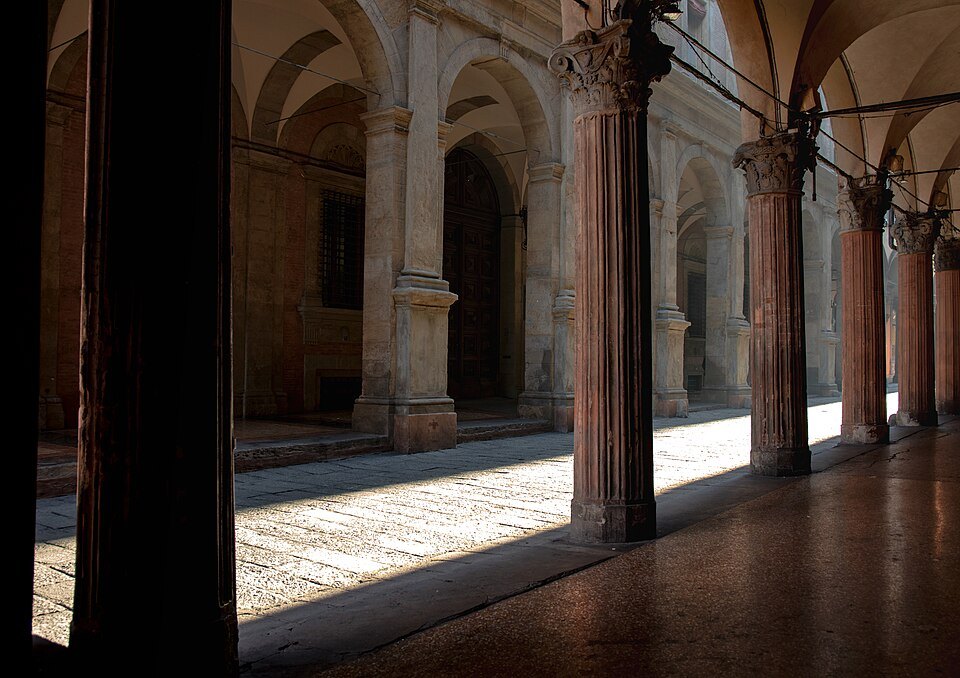 La dotta: the city that learned firstThe University CityThe oldest university in continuous operation in the Western world, and a city arranged around its students.
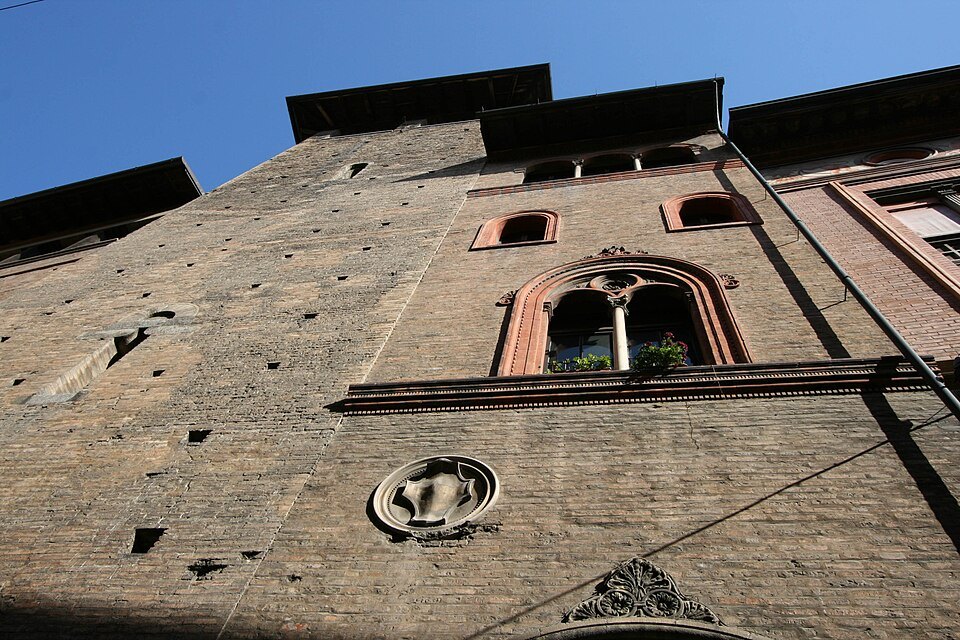 La rossa: three rings of walls and a skyline that wasTowers and GatesHow to read the red city: the tower century, the gates that survived their walls, and the ring road that replaced them.
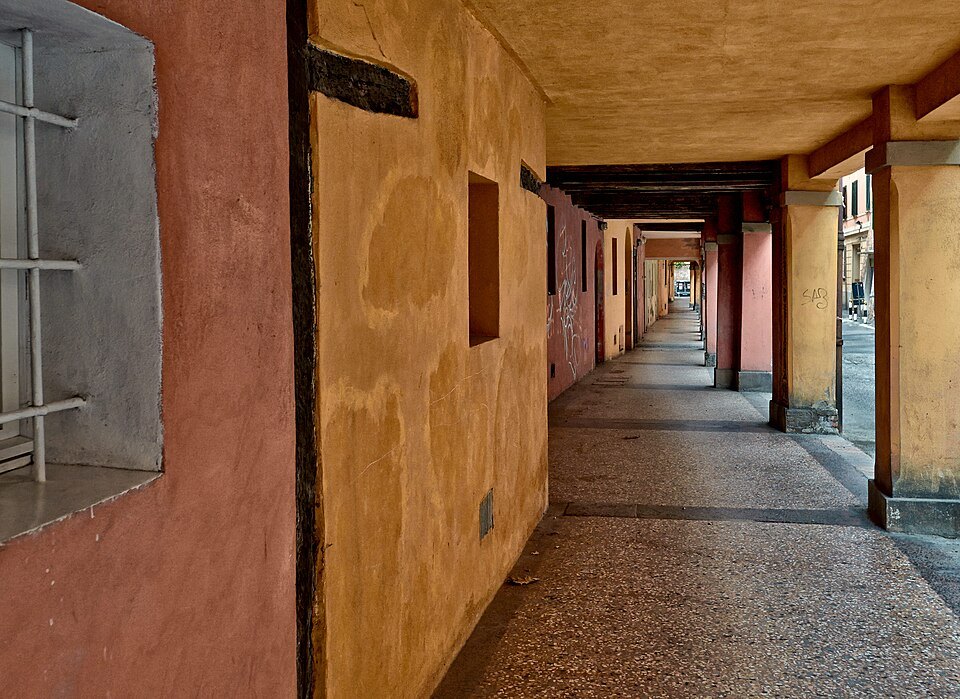 Where to stay, and what each part is likeNeighborhoodsSix parts of the city in and around the old walls, and who each of them suits.
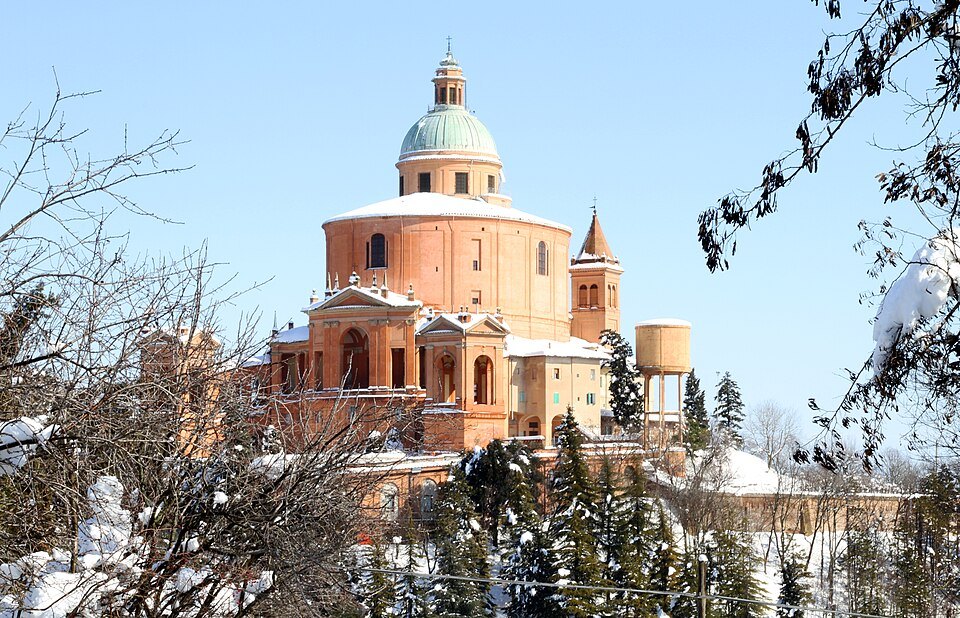 Fog, heat, and the weeks the hotels fillWhen to ComeA plain-city climate, a calendar of feasts, and the trade fairs nobody warns visitors about.
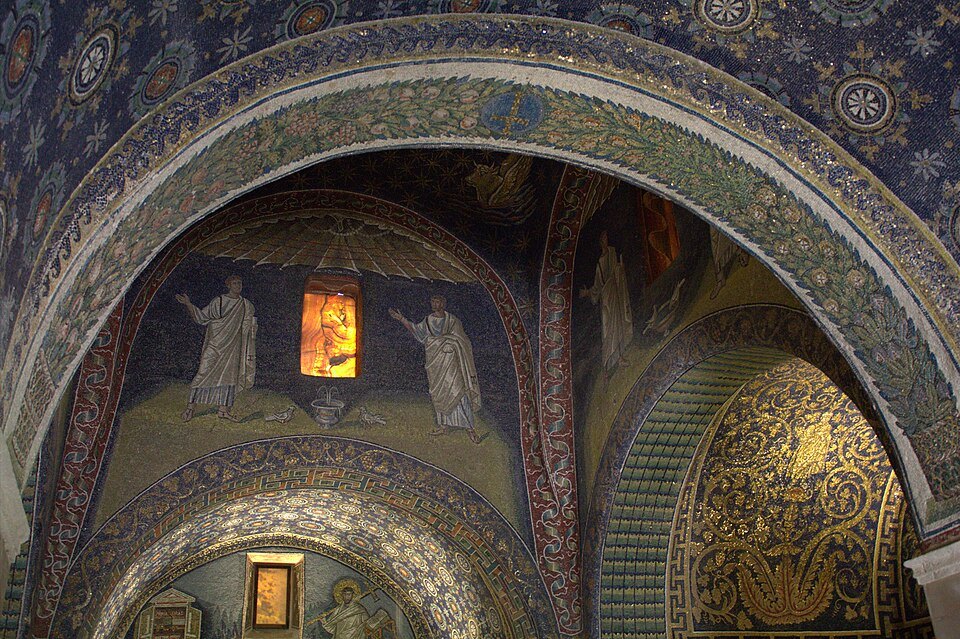 Five cities, each a short train awayDay TripsFerrara, Modena, Ravenna and Parma along the Via Emilia and the plain — and Florence, across the mountains.
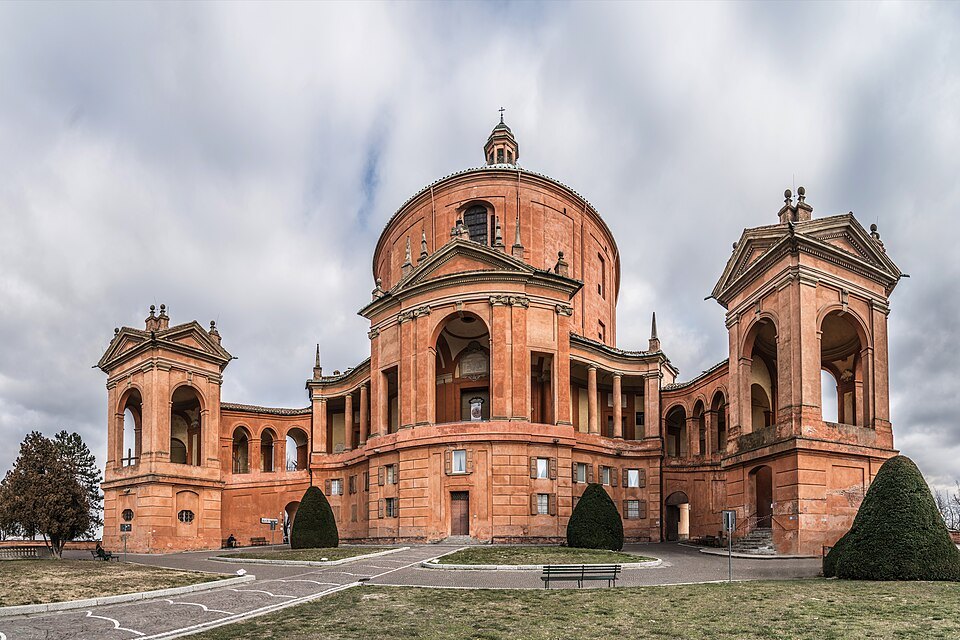 Routes built around what is shutItinerariesFive lengths of stay, walked rather than ticked off, arranged around the pauses the city takes.
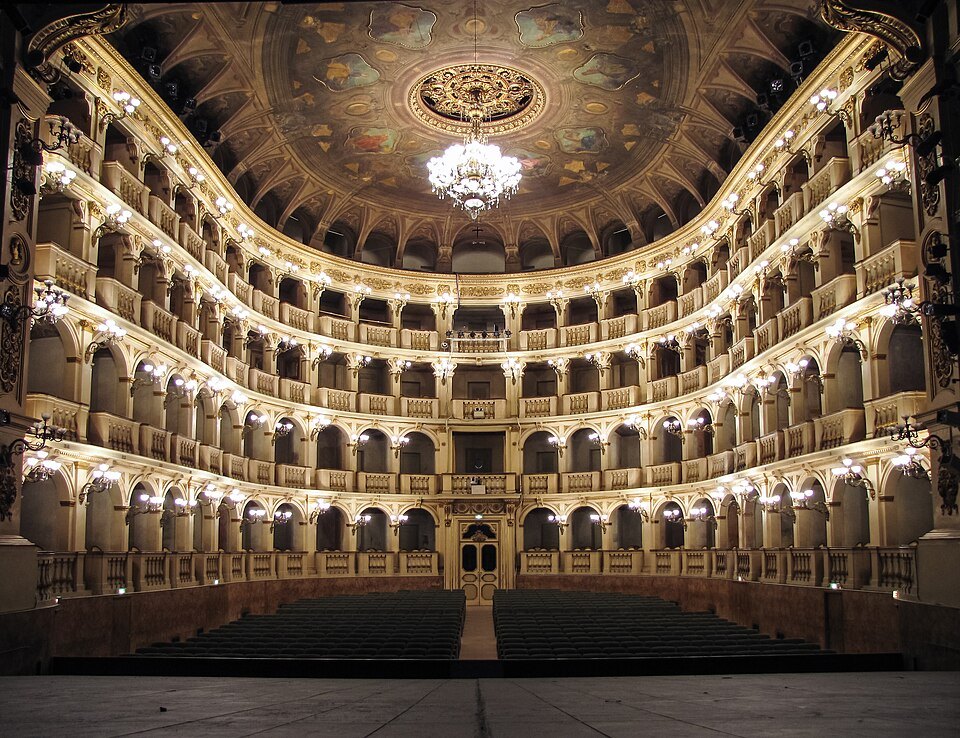 The few things that genuinely need itBooking AheadMost of Bologna you walk into. The exceptions are a bed in the fair weeks, a tower stair, and dinner.
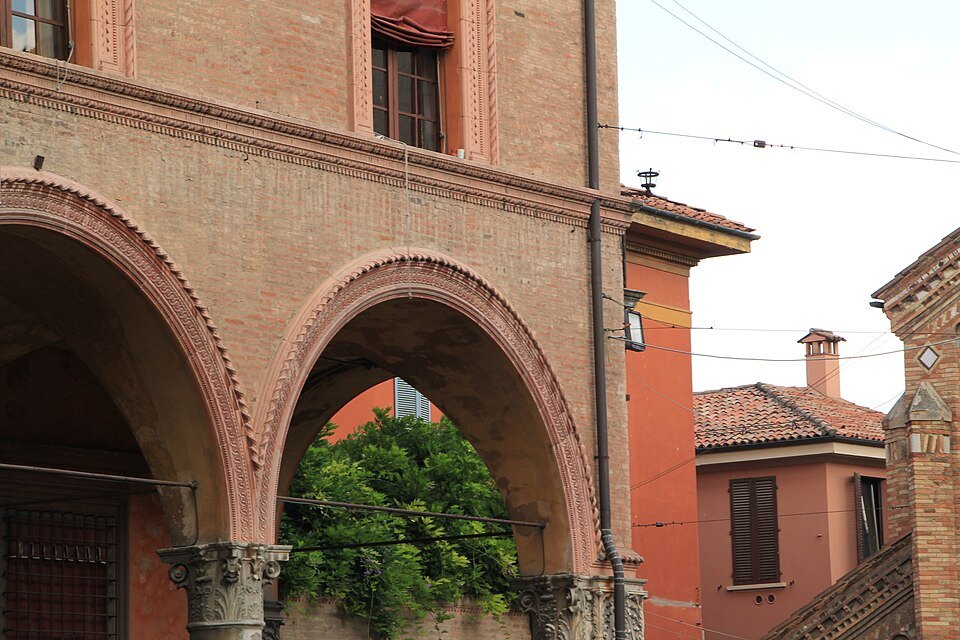 Reading under the arcadeThe JournalVisitor questions answered at length, and new pieces as they are written.
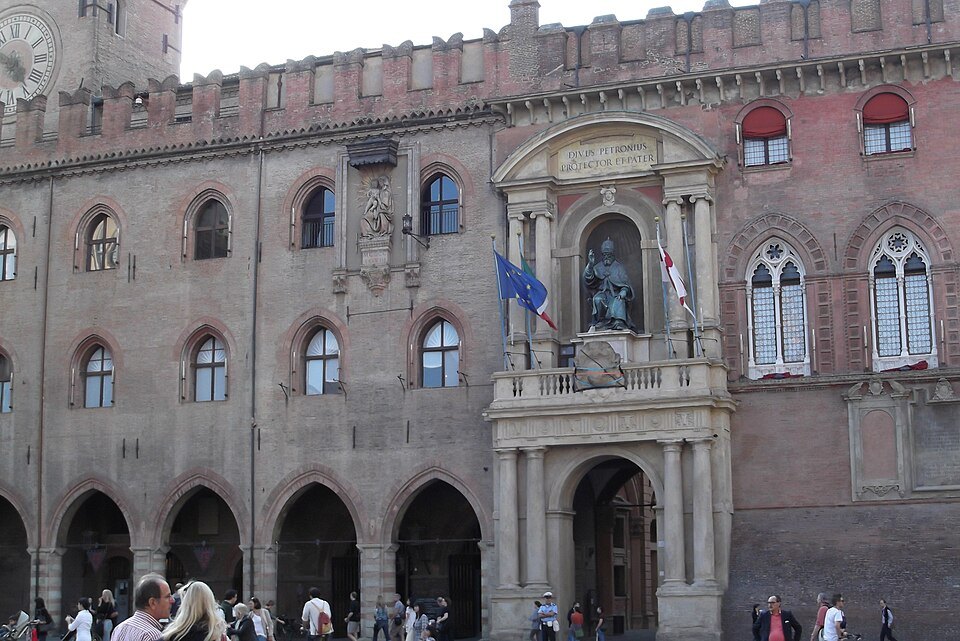 Piazza Maggiore
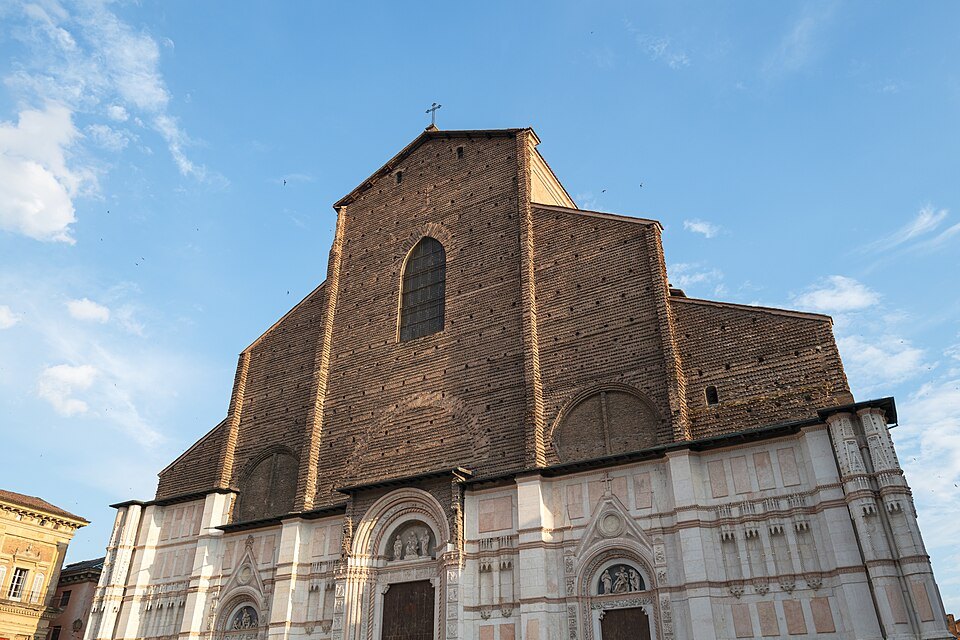 San Petronio
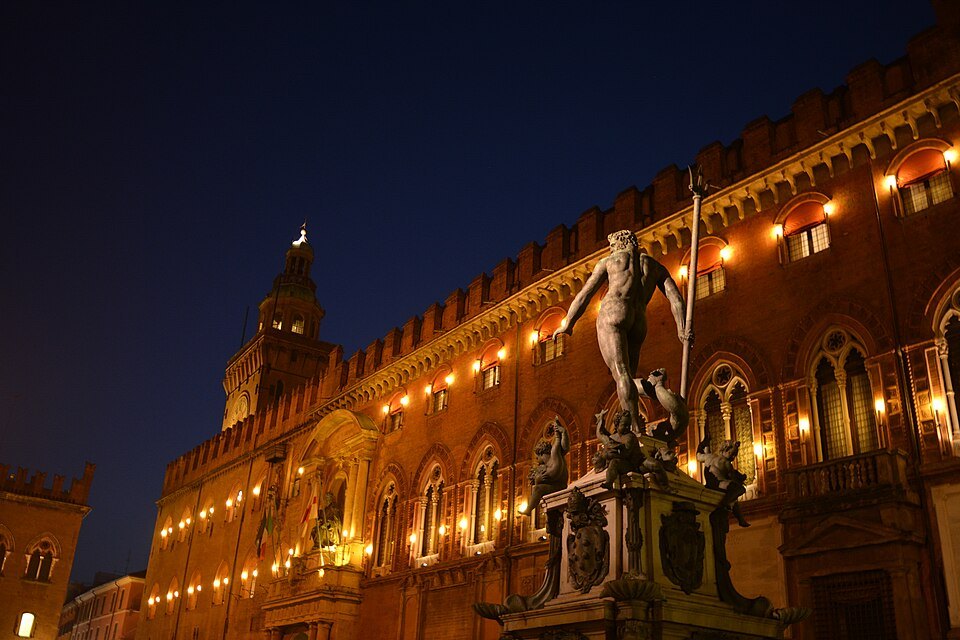 The Neptune Fountain
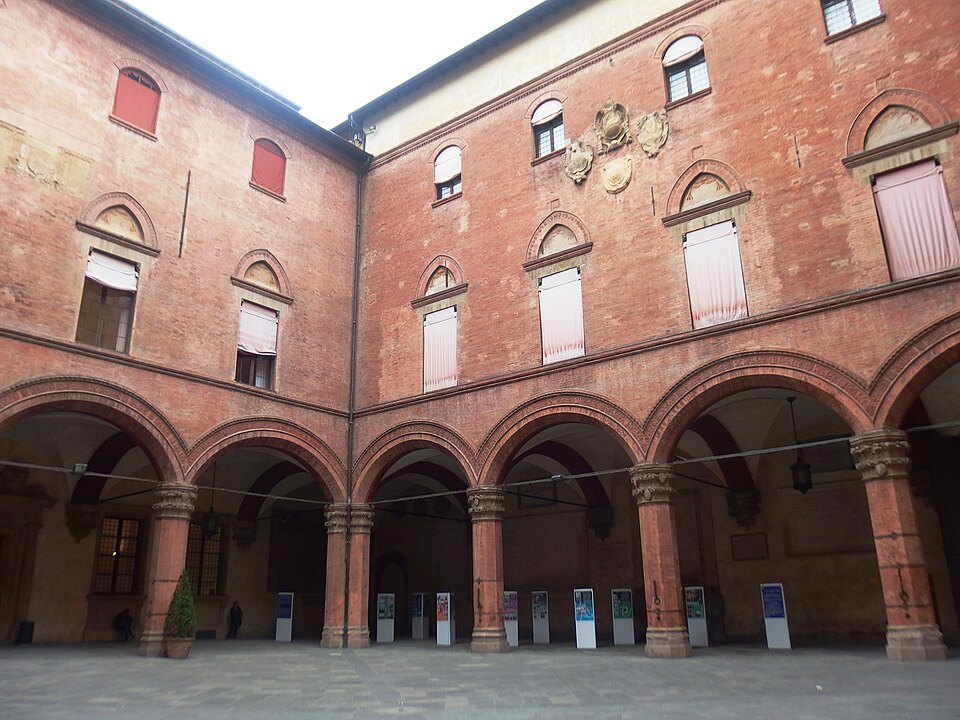 Palazzo d'Accursio
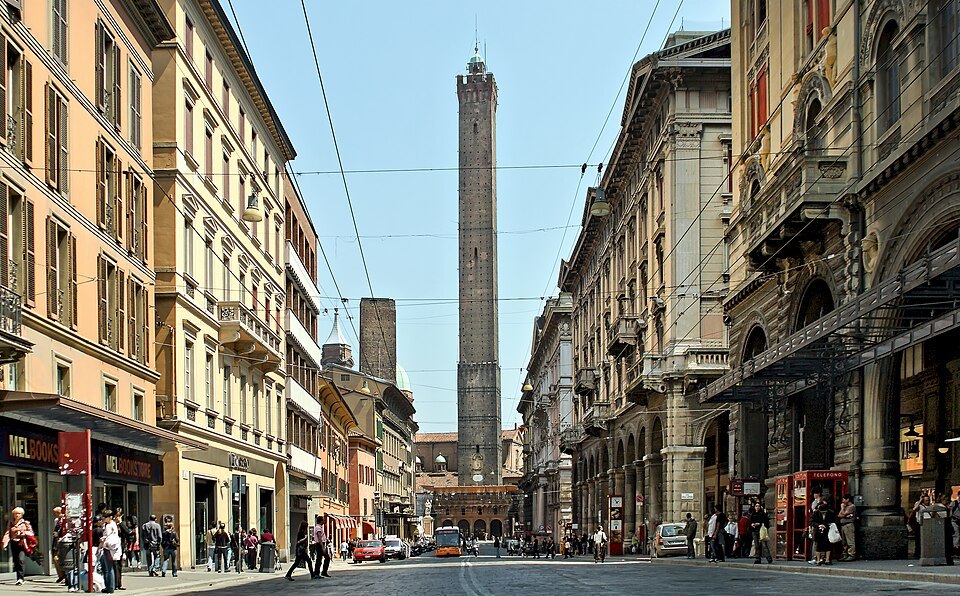 The Two Towers
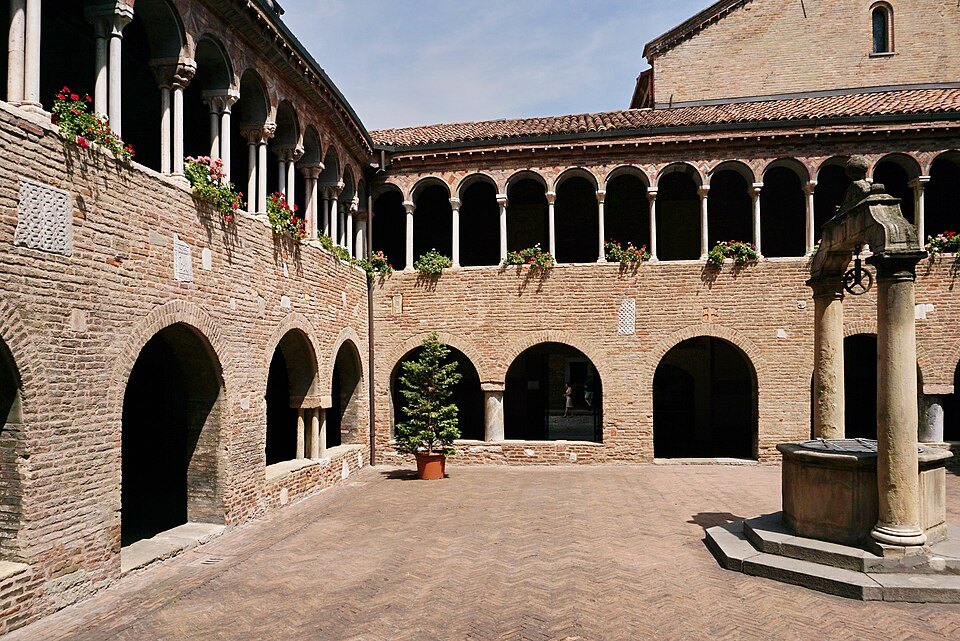 Santo Stefano
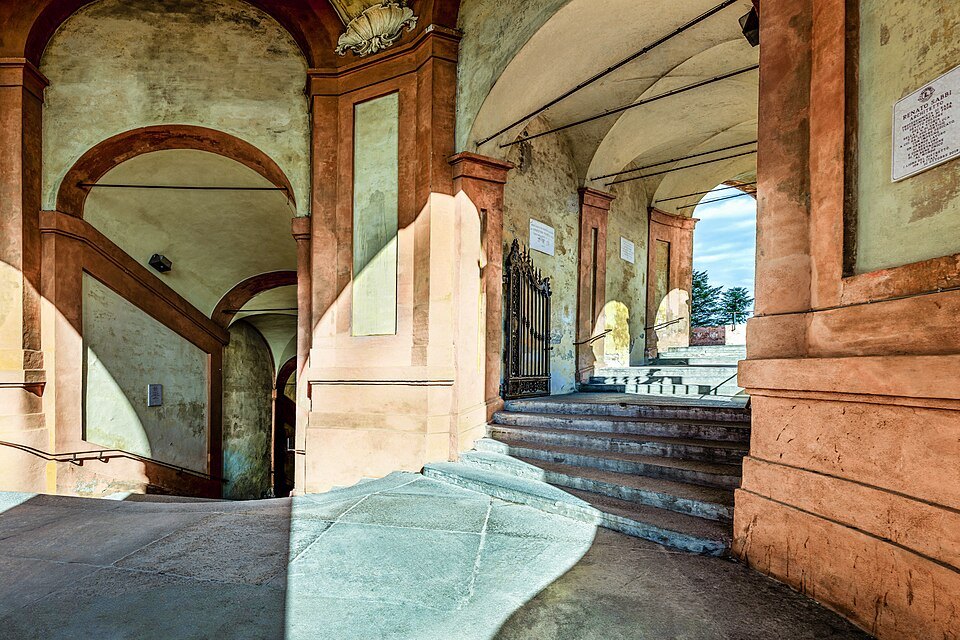 San Luca and its Portico
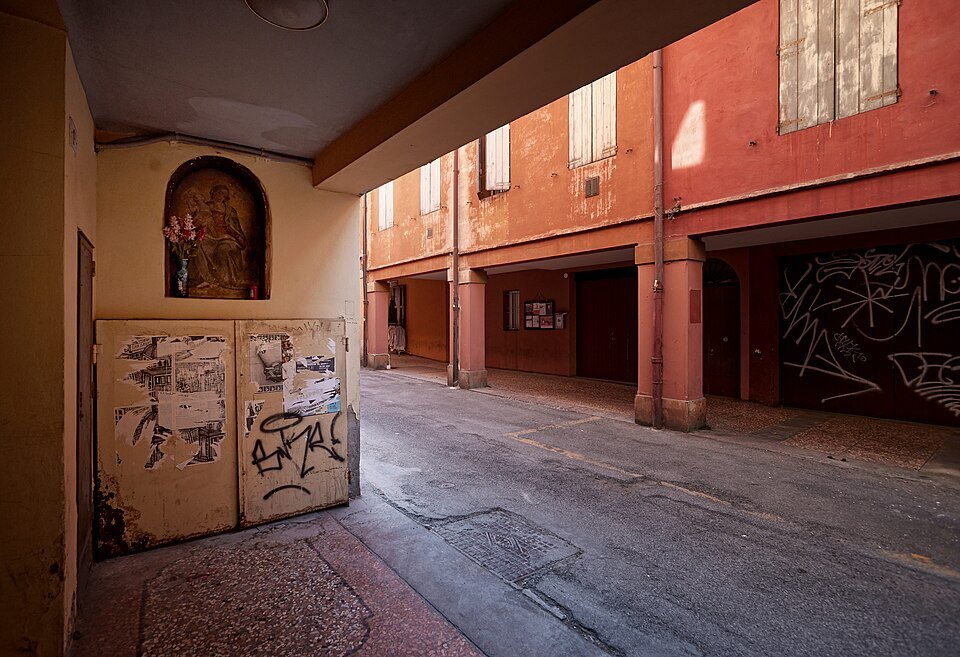 The Porticoes
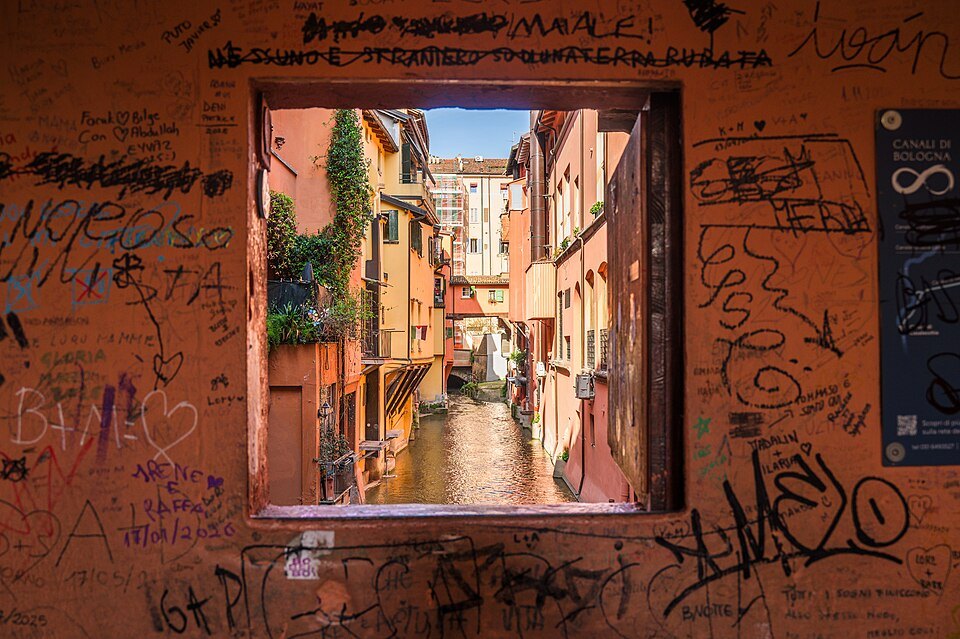 The Finestrella of Via Piella
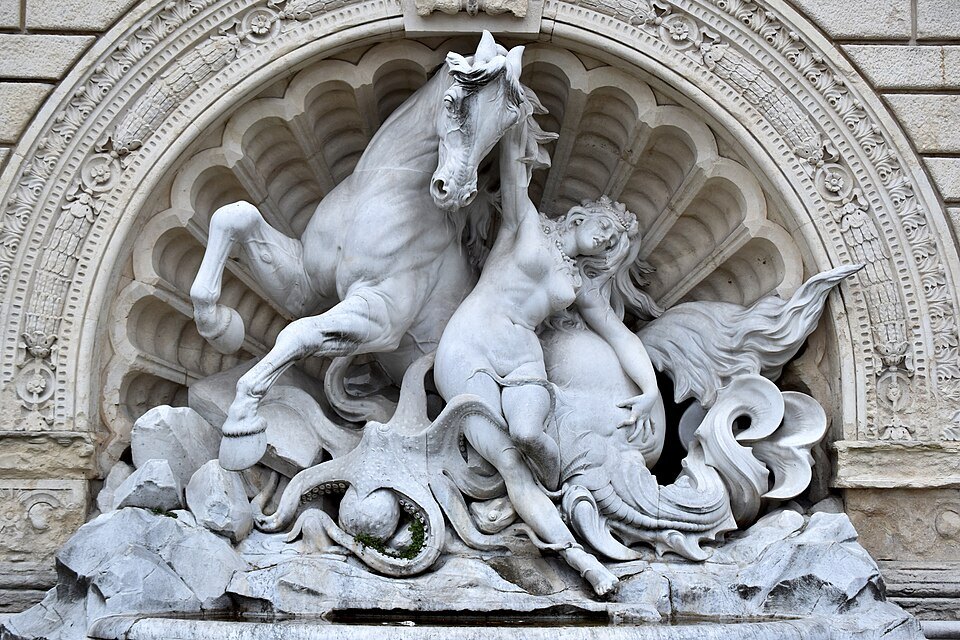 The Montagnola
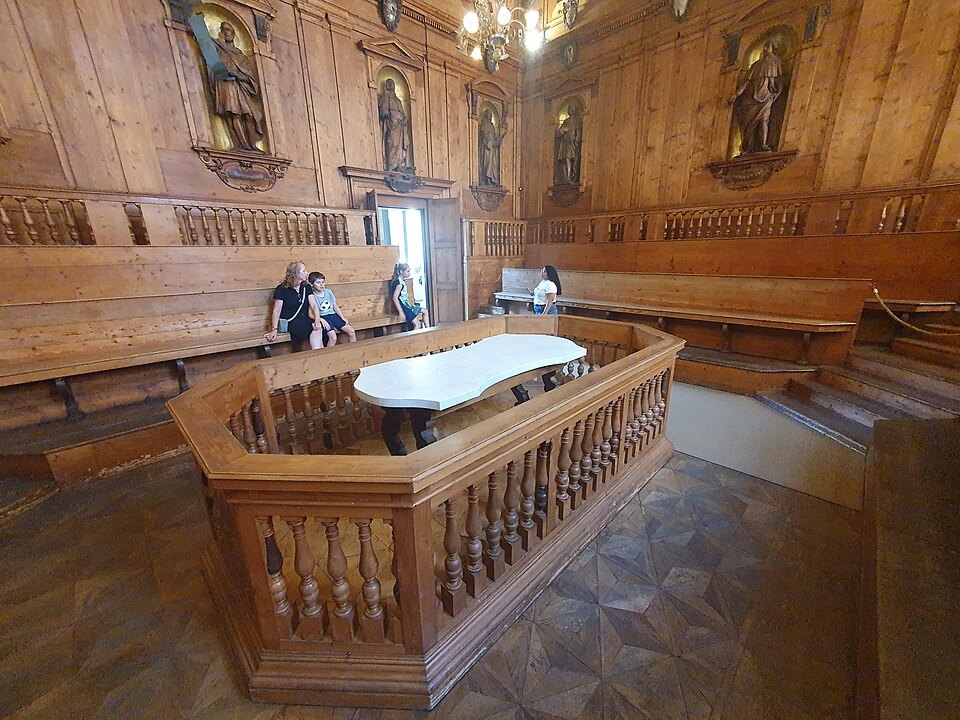 The Archiginnasio
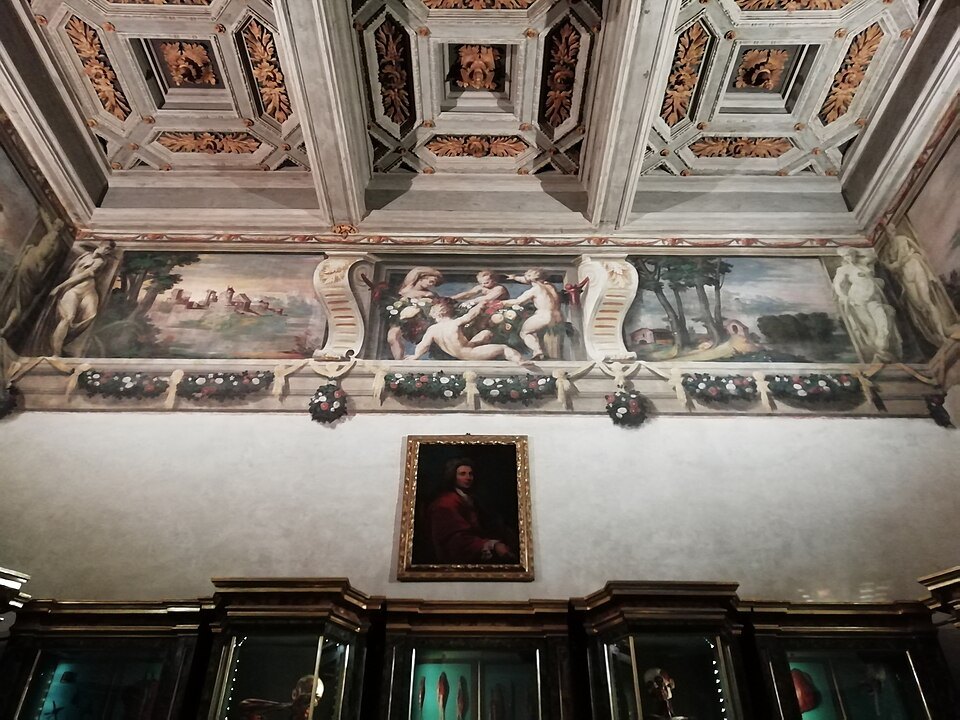 Palazzo Poggi
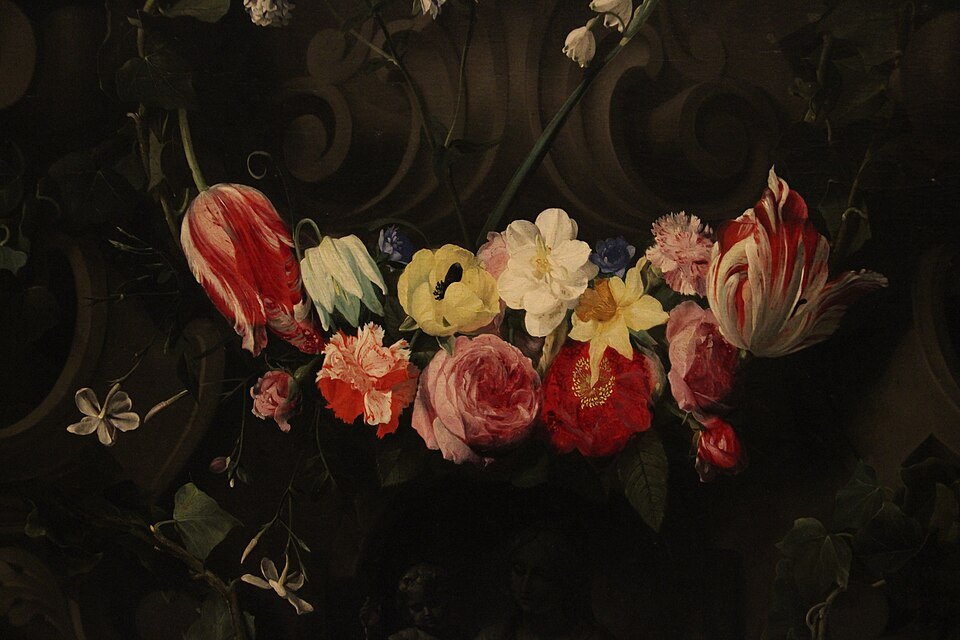 Pinacoteca Nazionale
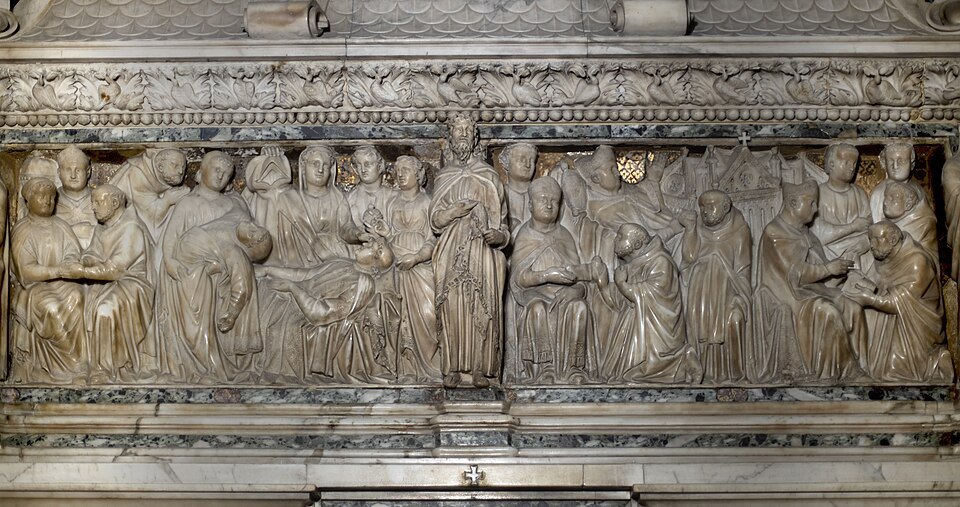 San Domenico
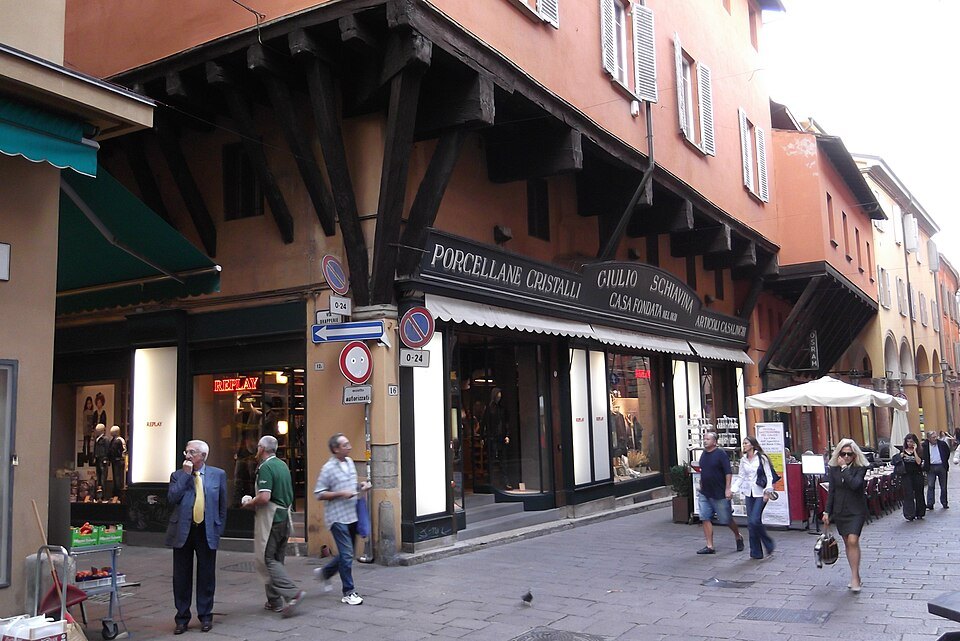 The Quadrilatero
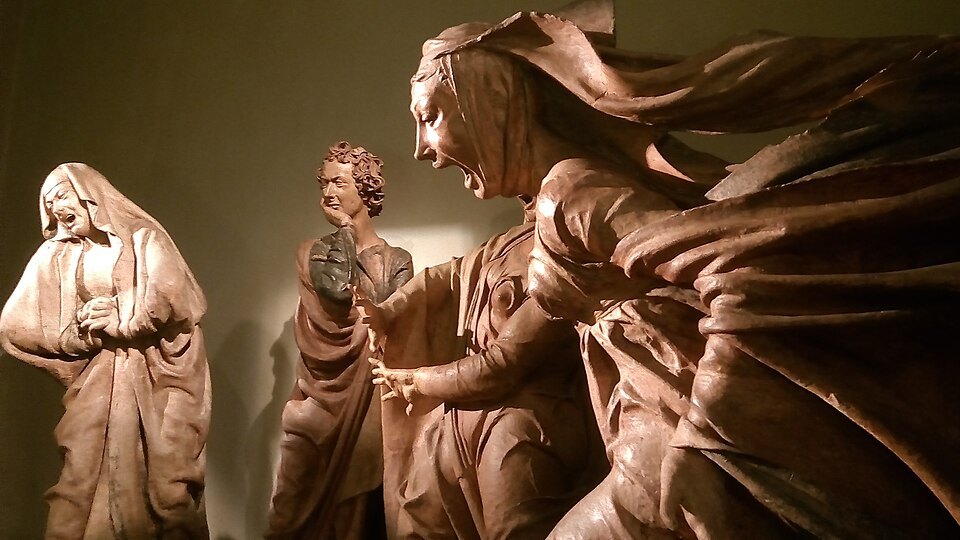 Santa Maria della Vita