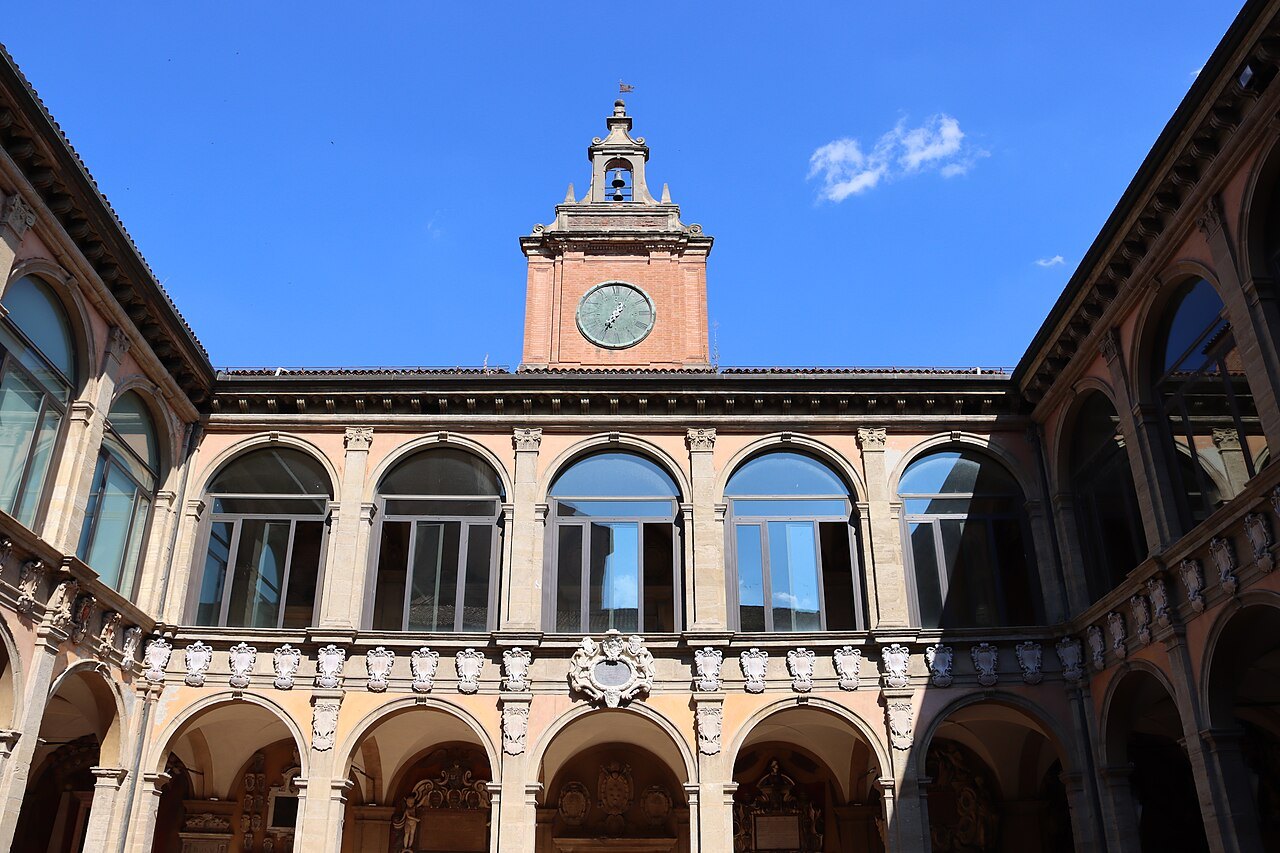
Walk into the courtyard of the Archiginnasio and the first thing that strikes most visitors is not a painting or a statue but a wall. Then another wall. Then the vaults of the staircases, the undersides of the arches, every surface that will hold paint or stone. Nearly all of it is covered in coats of arms — thousands of them, painted, carved, gilded, crumbling, repainted, layered one over another across four centuries. This was the old seat of the University of Bologna, and the shields are not decoration in the ordinary sense. They are a kind of institutional memory, left behind by generations of students and teachers who wanted some trace of themselves to remain in the building after they had gone.
Why the walls are covered in heraldry
The Archiginnasio was built in the sixteenth century to gather the university's teaching under one roof, pulling students and professors out of rented rooms scattered across the city. Bologna's university was organized unusually: students, not just professors, held real institutional power, grouped into "nations" according to where they came from. Those nations, and the colleges and individual scholars within them, marked their presence with a coat of arms — their family crest, or an emblem invented for the purpose — painted or carved wherever space allowed. A wealthy student might commission an elaborate carved stone shield; a nation with less money made do with paint. Over time the whole building filled up, wall by wall, vault by vault, until barely a surface was left bare.
The habit was partly vanity and partly something more durable: a way of saying "I studied here" in an age before diplomas hung on living-room walls. Multiply that gesture across hundreds of years and several thousand graduating cohorts, and you get the visual effect that greets you now — a building that looks, at first glance, like it has been wallpapered in family crests.
What to actually look for
Trying to identify individual shields is a specialist's game, and most visitors shouldn't attempt it. What's worth doing instead is reading the pattern rather than the detail:
- Density and hierarchy. Notice how the shields cluster more thickly near the staircases and the two historic lecture halls — the Teatro Anatomico and the Stabat Mater hall — than in quieter corridors. The most prestigious locations filled first; later arrivals had to find space wherever it remained, which is why some shields are squeezed into oddly cramped corners or painted over older, half-erased ones.
- Materials. Painted shields are more common and generally later or less expensive; carved stone ones, set into the walls themselves, mark more prosperous students or grander occasions. Look for the difference in texture as you walk — flat color panels next to raised stone relief, sometimes within the same bay.
- Condition. Some shields are crisp and freshly conserved; others are faded to ghostly outlines, their colors long gone and only the painted border surviving. This unevenness is itself informative — it tells you which parts of the building have been restored recently and which have simply been left to weather, a reminder that this is a working historic building, not a museum diorama frozen in a single moment.
- Repetition of certain emblems. Because whole student "nations" shared a single device, you'll notice the same emblem recurring in slightly different hands and colors across several decades, as successive cohorts added their own version nearby.
Bring a torch-level attention, not a reference book: the pleasure of the Archiginnasio's walls is in noticing the layering and the density, not in matching each shield to a named family. If you want an actual identification key, ask at the desk whether any printed guide or panel is available that day — the building sometimes has temporary displays explaining specific sections.
The Teatro Anatomico and the rest of the visit
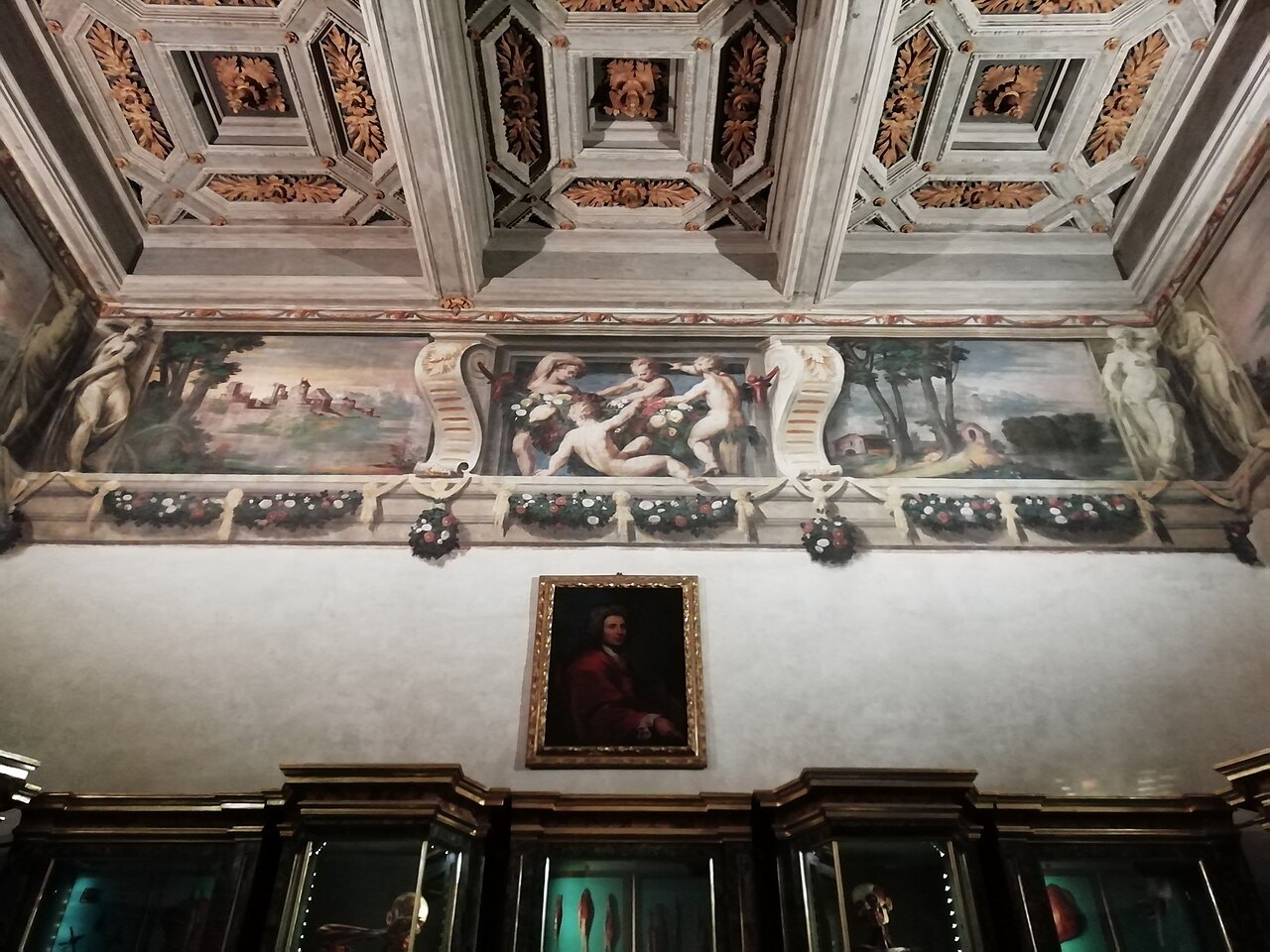
The coats of arms are the texture of the Archiginnasio, but the building's set-piece is the Teatro Anatomico, the wood-paneled anatomy theater where public dissections once took place under carved figures of flayed bodies holding up the canopy — an unsettling and remarkable survival. The hall was damaged during the Second World War and rebuilt using salvaged original timber, which is worth knowing as you stand in it: much of what you see is authentic material reassembled rather than a modern reconstruction from nothing. The adjoining Stabat Mater hall, used for public readings and ceremonies, gives a quieter counterpoint — fewer carvings, more open wall space, and a sense of the building's civic as well as academic role.
Note The anatomy theater is a small room and groups are managed carefully inside it; if you arrive at a busy moment you may need to wait a few minutes for space to clear. Check the operator's current arrangements for entry before you plan your visit, particularly if you're combining the Archiginnasio with other sights nearby on a tight schedule — see booking ahead for how reservations generally work across Bologna's sights.
Setting it in context
The Archiginnasio sits just behind Piazza Maggiore, in the stretch of streets that once held the heart of the medieval university before the teaching functions were consolidated here. Its ground floor is wrapped in the same kind of covered walkway you'll have already been walking under all over the center; Bologna's porticoes were as much a legal and civic project as an architectural one, and the arcade along the Archiginnasio's facade is a good place to notice how deliberately the city shaped these public passages — a story told in more depth in why Bologna built arcades, and why the law kept them open. If you're curious about which stretches of portico elsewhere in the city reward a detour and which ones you'll simply pass through on the way to somewhere else, that's covered in which porticoes are worth a detour.
The building is a natural stop within the wider story of Bologna as a university town — a theme explored further on the university city page, which connects the Archiginnasio to other academic sites, including Palazzo Poggi a short walk away. Together they form a loose trail through the institution's long history, from its medieval beginnings to its scientific collections.
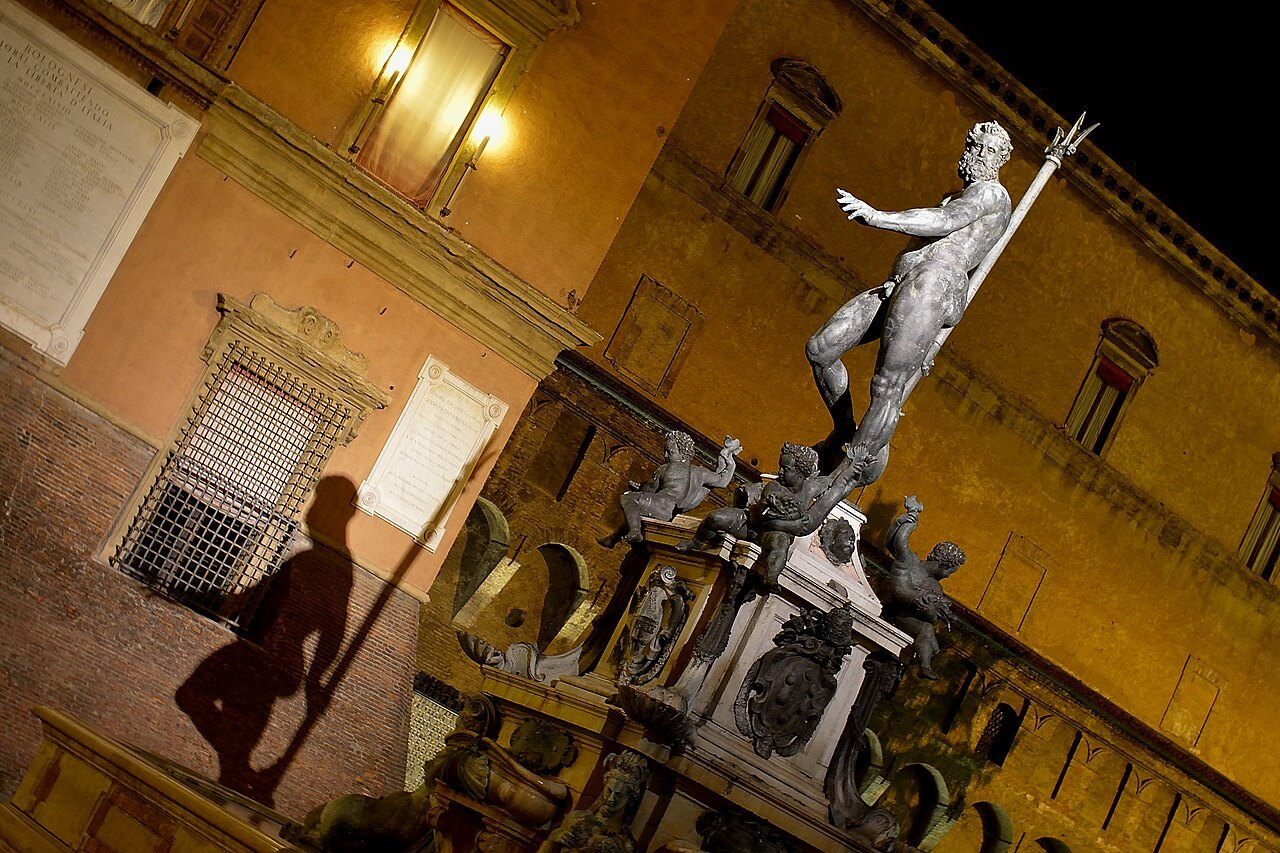
Practically speaking, the Archiginnasio is easy to fold into a morning that also takes in San Petronio and the fountains of Piazza del Nettuno, since all three sit within a few minutes' walk of each other. For getting to this part of the center from a hotel or the station, see getting around; and for a broader sense of how this building fits among Bologna's other major sights, the sights overview is a useful starting point before you plan the rest of your day.
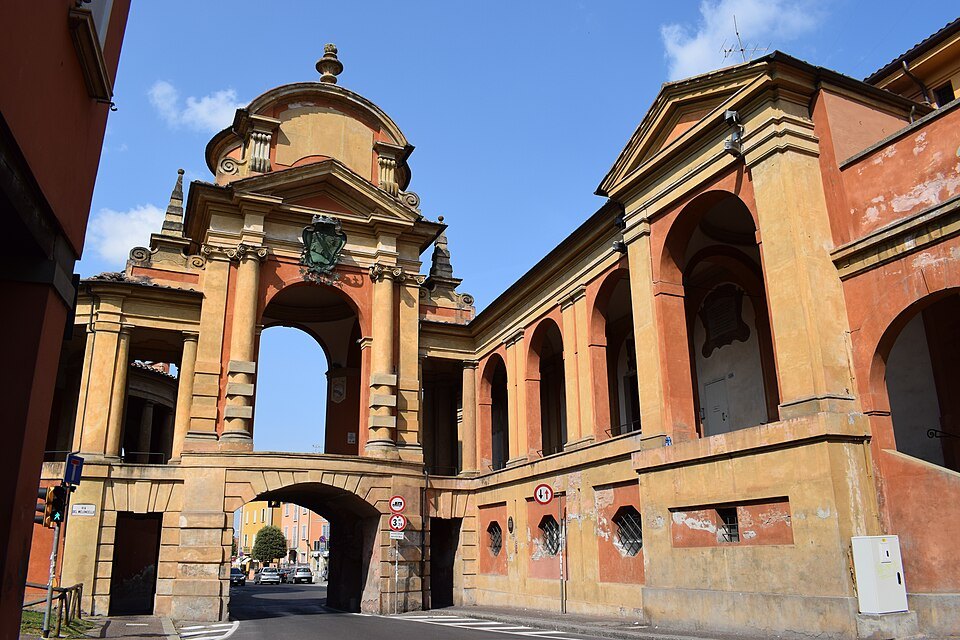 Why Bologna built arcades, and why the law kept them open
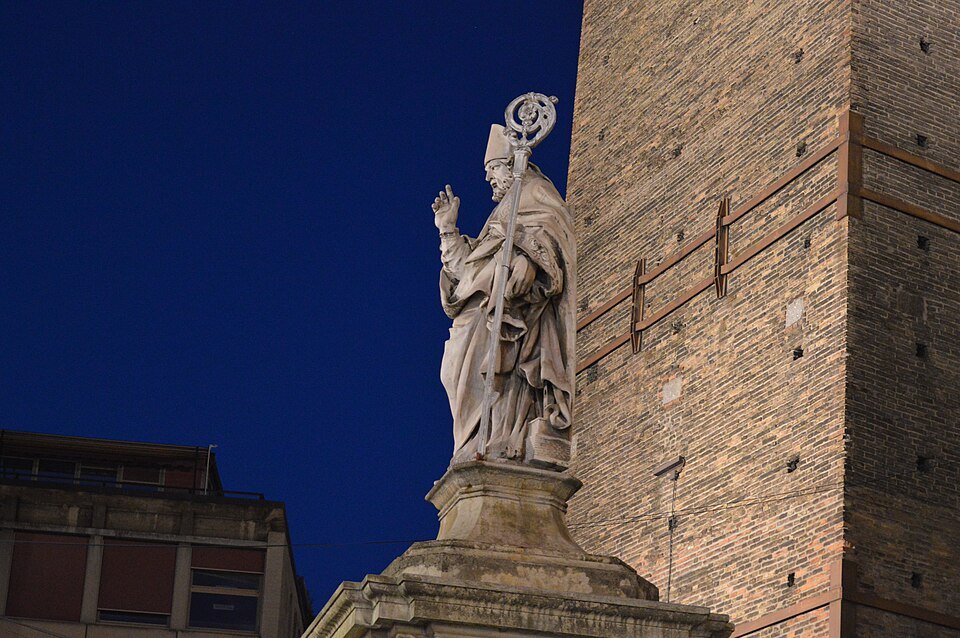 Which porticoes are worth a detour, and which you will walk anyway