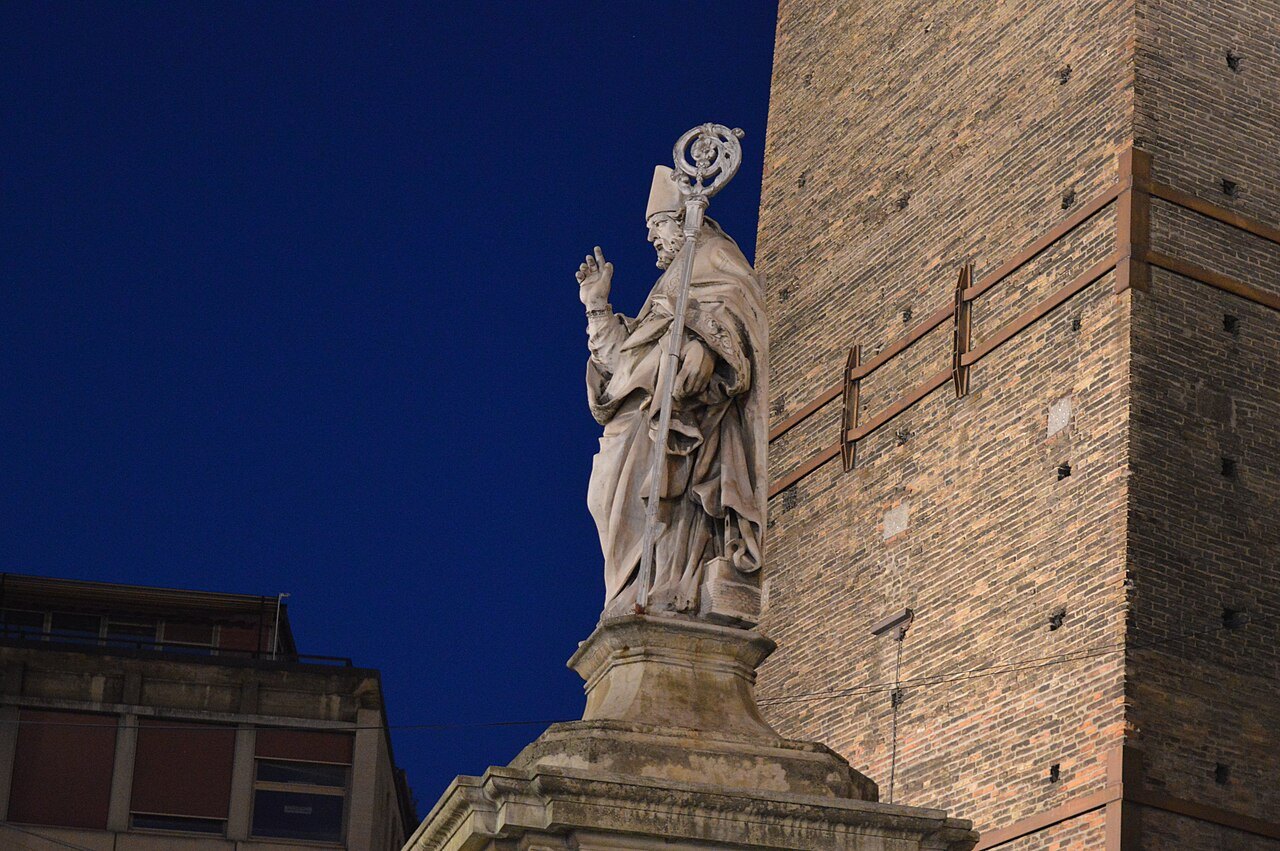
Bologna is the only city where an umbrella is a style accessory and not an absolute necessity, because so much of it is roofed. The porticoes aren't a single monument you visit once and tick off; they're the city's circulatory system, carrying you from the station to the squares, from the university to the hills, almost entirely under cover. Most of what you walk under on an ordinary day in Bologna is simply infrastructure — useful, handsome, but not a destination in itself. A smaller number of stretches are genuinely worth rerouting for. This is how to tell the two apart.
The porticoes you will walk anyway
If you arrive by train and head into the center, you'll already be under cover for much of the route — the city planned it that way long before anyone thought of calling it a tourist feature. Via dell'Indipendenza, the broad artery running from the station down to Piazza Maggiore, is arcaded almost the whole way, and it's the default spine for first-time orientation. Via Rizzoli and Via Ugo Bassi, which cross it near the Due Torri, do the same job east-west. None of this requires planning; it's simply the shape of getting around on foot, which is covered in more detail on the page about getting around.
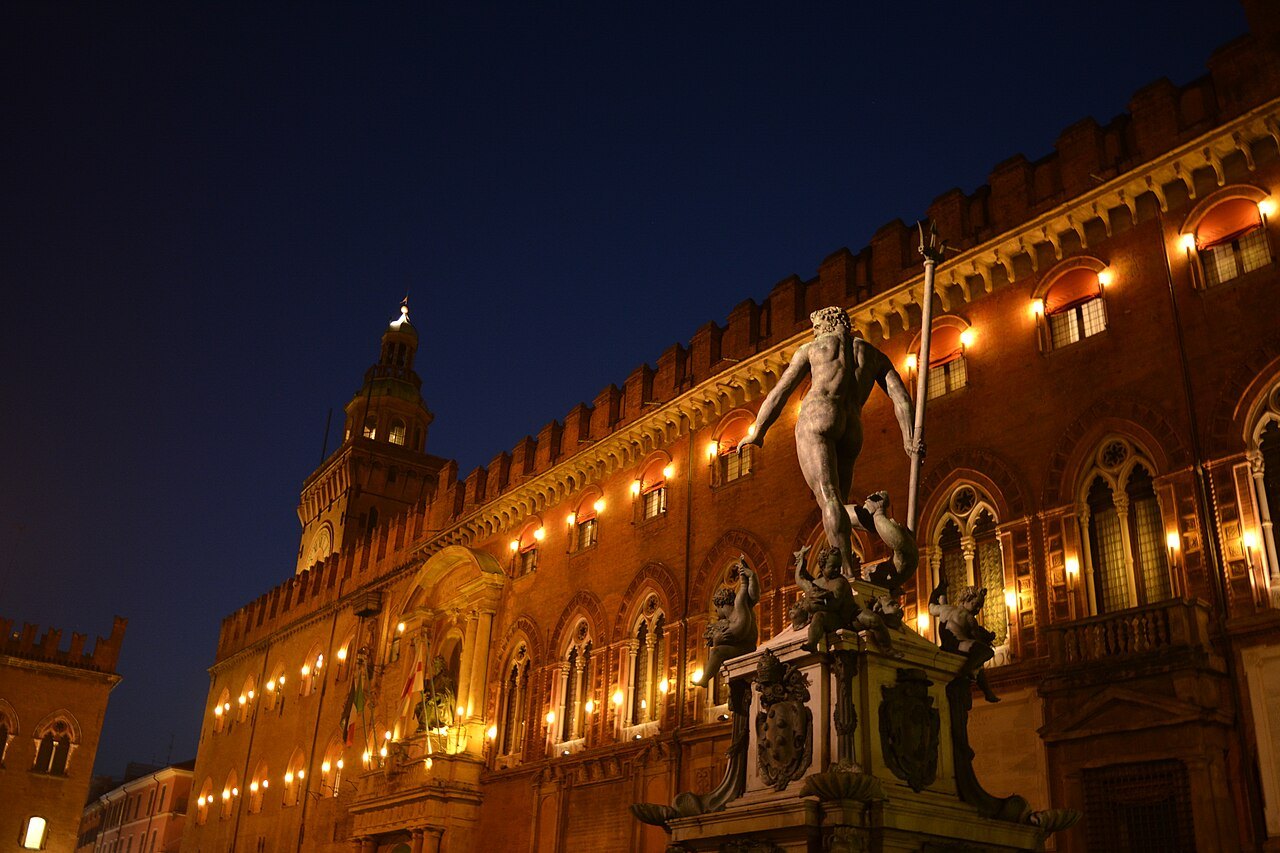
The colonnades ringing Piazza Maggiore and the adjoining Piazza del Nettuno fall into the same category of "you'll be here regardless." You'll pass under them on your way to San Petronio, to the Fontana del Nettuno, or into the Quadrilatero market streets for an early dinner. They're handsome — tall, orderly, built to impress — but they're also simply the route. Don't feel obliged to stop and admire every column; save your attention for the stretches below.
The porticoes worth a detour
The one genuine pilgrimage route is the portico running from the city out to the Sanctuary of San Luca on its hill. It's the longest covered walkway of its kind anywhere, strung together with hundreds of arches that climb steadily out of town, and it exists for exactly the reason you'd use it today: shelter for pilgrims and now for walkers, in every season. You don't need to be devout to find the climb worthwhile, but you should go in with a plan rather than wandering into it unprepared — the practicalities of pacing yourself are covered separately in the guide to walking up to San Luca without wearing yourself out. Go in the morning if you can; the arches offer intermittent views back over the rooftops, and early light does them justice before the haze sets in.
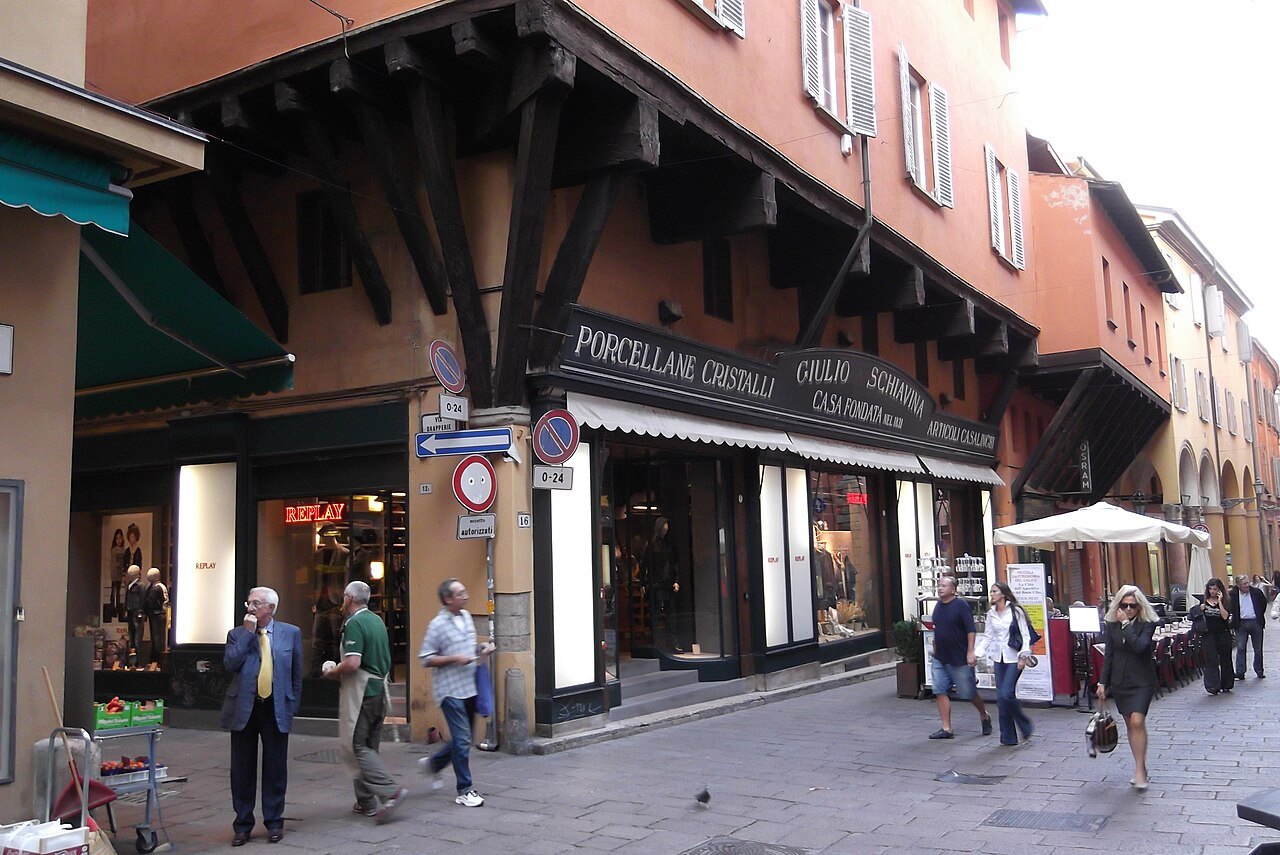
Closer to the center, the stretch of Strada Maggiore leading toward Santo Stefano is worth slowing down for. The porticoes here are older and lower than the grand nineteenth-century ones downtown, with timber beams instead of stone in places — Casa Isolani, with its enormous wooden roof trusses, is the single most photographed ceiling in this part of town, and it rewards simply standing underneath and looking up rather than walking straight through.
The area around the Archiginnasio and the old Pavaglione is another stretch to take slowly rather than cross quickly. The arcade here has carried shoppers and students between the university and the market stalls for centuries, and it's narrower and more intimate than the main boulevards, which makes it a better place to actually notice the stonework, the worn thresholds, and the shuttered shopfronts that open later in the day.
If you have time for one more, head into the university district east of the center, where porticoes alternate with plainer stretches of street and occasionally duck beneath buildings that look, from outside, like ordinary houses. Several of these conceal the stumps of medieval towers that never got demolished, just absorbed into later construction — the guide on spotting the medieval towers hidden inside Bologna's houses explains what to look for in the brickwork if that kind of urban archaeology appeals to you.
Reading the porticoes as you go
Once you start paying attention, you'll notice that no two stretches are quite alike. Ceiling heights vary street by street, sometimes building by building, because each owner historically built and maintained their own section, to a minimum height set by the city but with plenty of local variation above it. Materials shift too — stone columns downtown, brick further out, timber in the oldest surviving stretches near Santo Stefano. Note Watch your footing regardless of which stretch you're on: the paving is often centuries-old stone, polished smooth by traffic and genuinely slick in wet weather, which happens often enough that it's worth checking the seasonal notes on when to come before you pack.
The porticoes also mark where the old city gives way to what came after. If you walk the route of the former walls, much of it now follows wide boulevards with no arcade at all — a useful contrast if you want to feel the edge of the historic center rather than just read about it, and the piece on walking the ring of gates where the old walls used to stand lays out that route for anyone curious about the city's former boundary.
Making the most of your first evening under them
If you arrive in the late afternoon or evening, resist the urge to retreat indoors immediately. The porticoes are at their best after dark, when the shopfronts glow and the arches cast long shadows across the paving, and a slow walk under them is as good an introduction to the city as anything in a guidebook — the journal piece on spending your first evening in Bologna under the arcades sets out a loose route for exactly that. Pair it with a stop in the Quadrilatero for something to eat on your feet, and you'll have covered a fair slice of the center, dry-shod, before you've even checked your map. For a wider sense of which neighborhoods reward this kind of aimless walking, the overview of Bologna's neighborhoods is a useful companion for the rest of your stay.
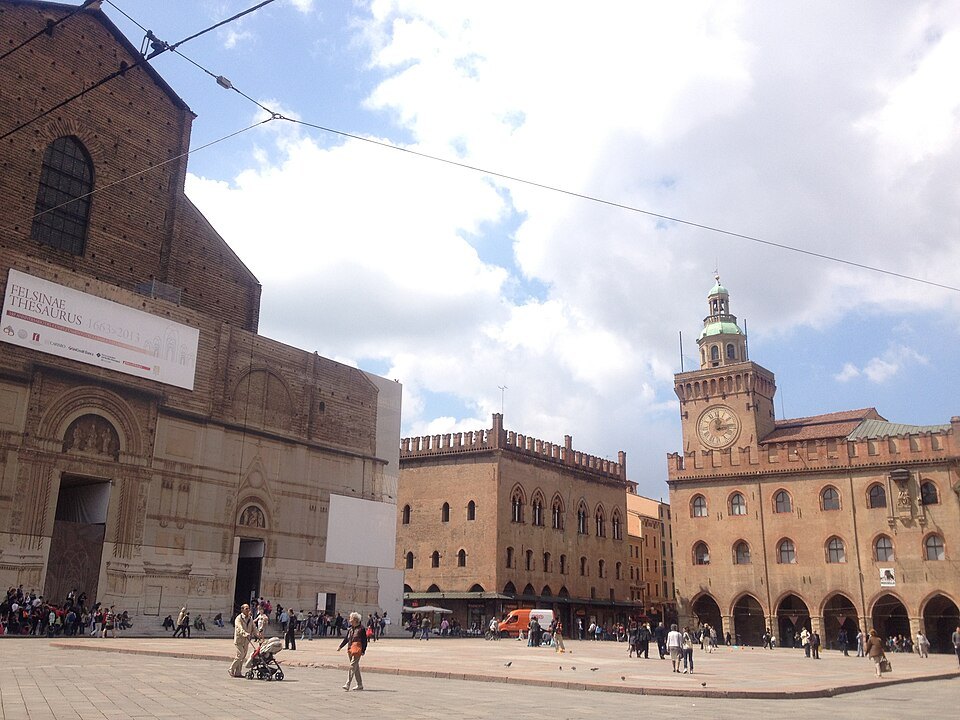 Spend your first evening in Bologna under the arcades
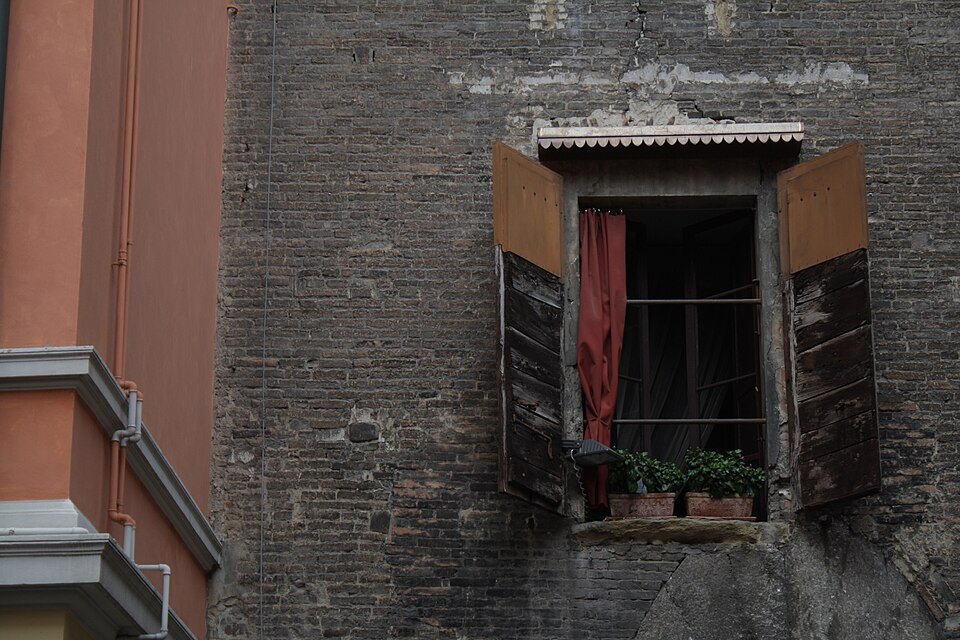 How to spot the medieval towers hidden inside Bologna's houses
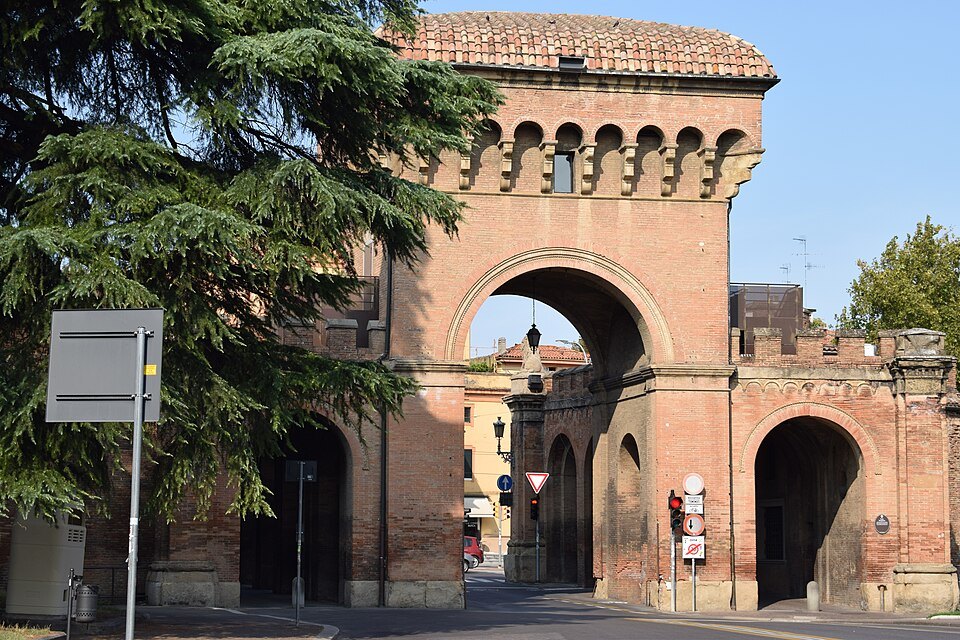 Walking the ring of gates where the old walls used to stand