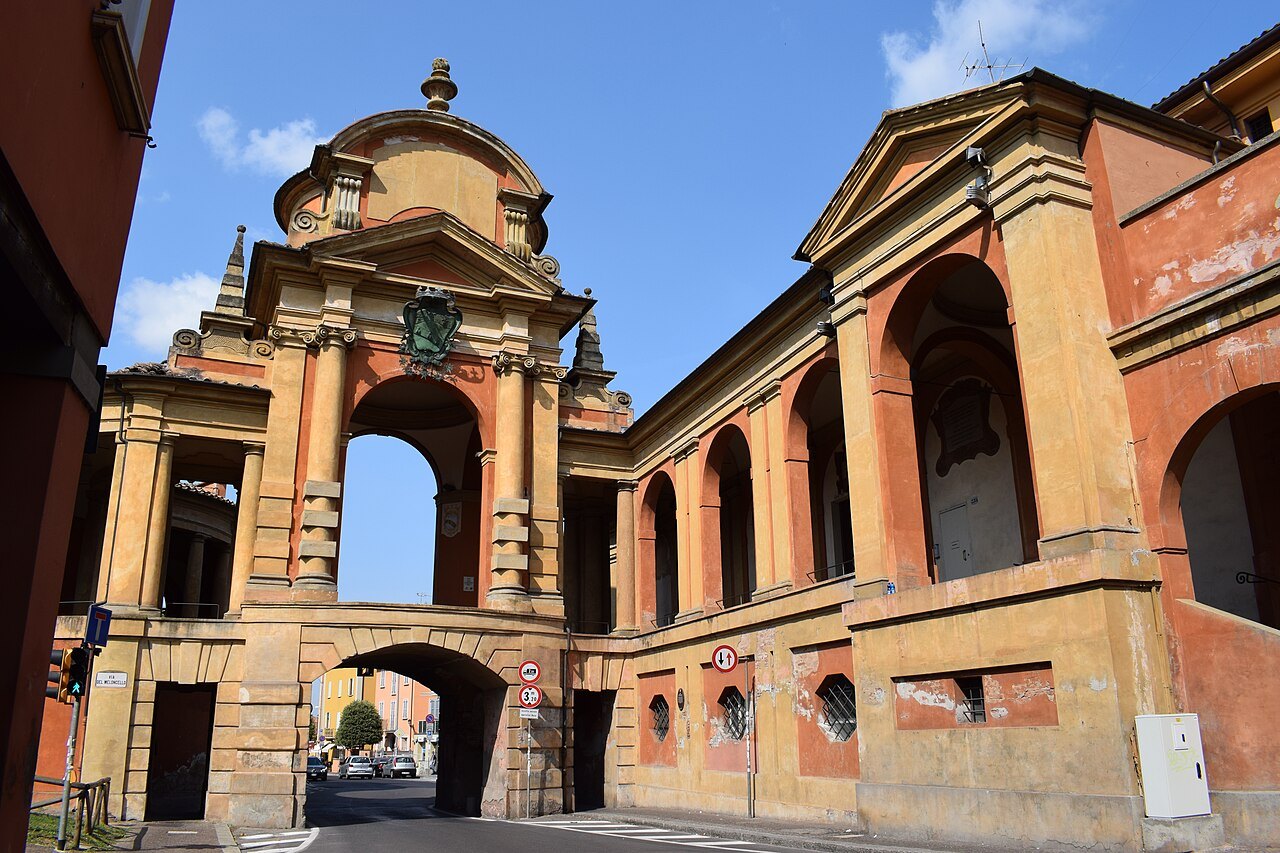
Walk into Bologna from almost any direction and you will notice, before you notice much else, that you are walking under a roof you did not expect. The arcades, or portici, run along both sides of nearly every street in the historic center, linking up into tens of kilometres of covered pavement. They were not built as a tourist amenity and they were not built all at once. They were the result of a housing crisis, a university boom, and a piece of medieval law that the city has never quite let go of. Understanding why they exist changes how you look at them, and makes the whole district at /portici/ feel less like decoration and more like infrastructure with a long memory.
A city that ran out of room
Bologna's university, one of the oldest in the world, began drawing students from across Europe from the late eleventh century onward. They needed somewhere to sleep, eat, and study, and the city's existing houses could not absorb them. The practical solution, adopted by homeowners rather than ordered by any council, was to extend the upper floors of houses outward over the street on wooden brackets and posts, creating extra rooms above while leaving the ground floor passage underneath. It was a private fix to a private problem: more floor space for more rent, achieved by building out into public air rather than up or sideways where there was no land to spare.
The result, multiplied across hundreds of houses over a couple of centuries, was a city where the street itself became partly roofed. You can still see the irregularity of that organic growth today in the uneven heights and widths of the arcades as you move between neighborhoods — a useful thing to notice if you are planning a walking route through the center, and the itinerary ideas at /itineraries/ can help you string the most interesting stretches together rather than just the nearest ones.
The law that made them permanent
What turned a mass of private improvisations into a coherent, continuous public system was a municipal decision in the thirteenth century requiring new buildings to include a portico, and setting a minimum height and width so that a person on horseback could pass beneath it. This was not an aesthetic choice. It was a practical one, aimed at keeping circulation through the city workable as the overhangs multiplied, and it is why the arcades you walk under today still have a rough, shared sense of scale even where the columns, arches, and ceiling decoration differ wildly from one block to the next.
The crucial second part of the law is the part that still matters to you as a visitor: the space under the portico, even though it sits beneath someone's private house and was built using that owner's money and timber, was defined as public. A homeowner could build the room above it, rent it out, decorate the vaults, do more or less what they liked with the structure — but the passage underneath had to stay open to anyone walking through, at any hour, regardless of who owned the building. Centuries of ordinances have refined and restated this principle rather than weakened it, and it is the reason a street that looks, from the architecture, entirely residential or commercial can still be walked through freely from one end to the other.
That legal quirk is also why the porticoes vary so much in character while never actually blocking your route. Grand stone arcades near the main squares give way, a few streets on, to low brick vaults held up by plain wooden or stone posts in older residential stretches, and then to the long, severe arcades leading out toward the hills. If you want a sense of which stretches reward a detour and which ones you will simply walk through anyway on the way to somewhere else, the comparison in this piece is a useful filter before you commit a whole afternoon to portico-hunting.
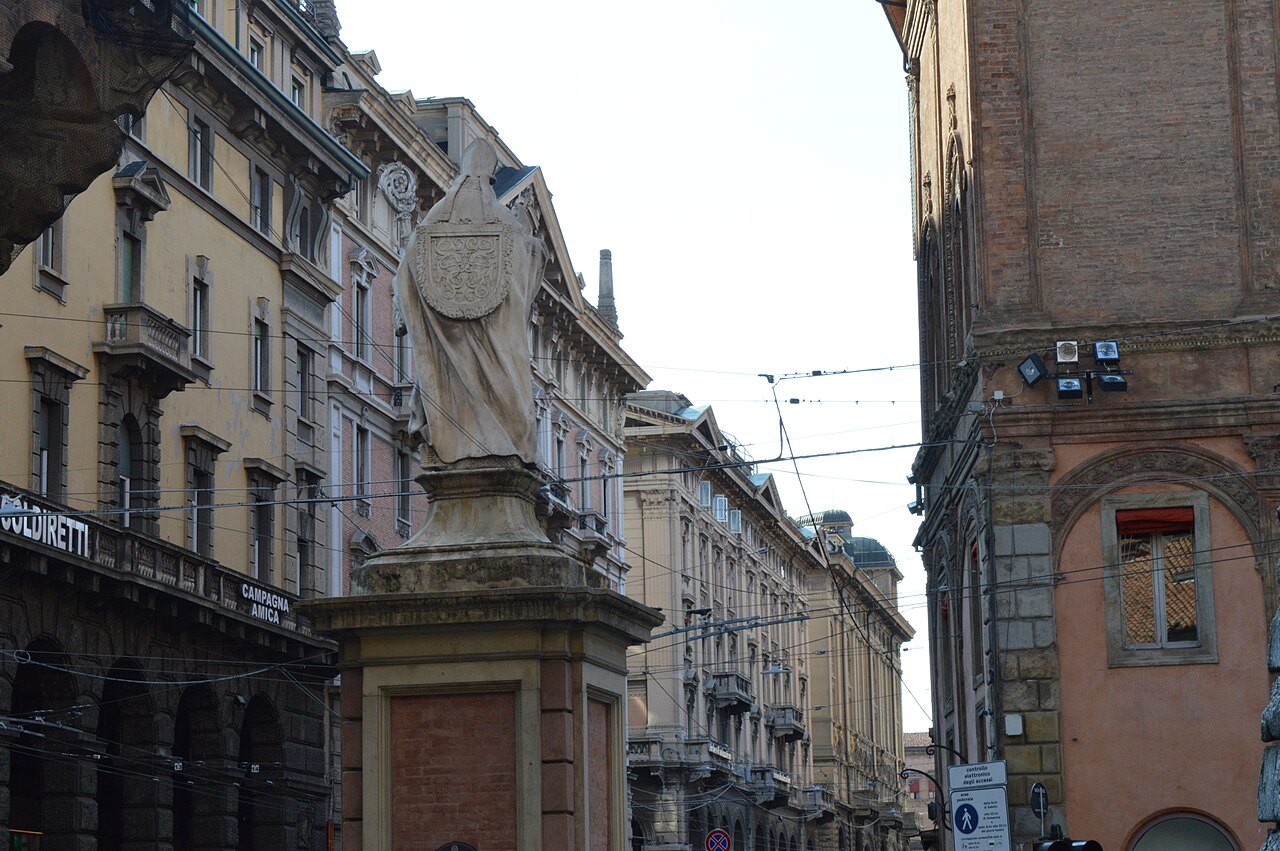
What this means for you today
The practical upshot of all this medieval law is that Bologna is one of the easiest major Italian cities to walk in bad weather, because you are rarely more than a few steps from cover. Rain stops being a reason to rearrange your day here in a way it would elsewhere — the plan barely needs to change, as laid out in this guide to a wet day in the city. The same continuity makes the arcades a natural structure for an evening walk when the shops are shuttered and the crowds have thinned, something worth doing at least once simply for how different the vaulted ceilings and columns look under lamplight rather than daylight, a mood captured in the suggestion to spend your first evening under the arcades.
Because the portico is legally a public passage, it also behaves like one: locals cycle through it, deliveries get wheeled along it, café tables sometimes edge into it, and you will share the space with all of that rather than with a hushed, roped-off monument. Treat it as a working street, not a gallery, and stay alert for bikes and scooters threading along the colonnades, particularly in the narrower stretches away from the main squares — a habit worth carrying over if you plan to explore the wider center using the advice at /getting-around/.
A good way to feel the full range of the arcades in one go is to walk from /piazza-maggiore/ outward toward one of the city's edges rather than circling the center — the architecture visibly relaxes from formal stone to plain brick and timber as you go, and the change is far more obvious on foot, in sequence, than in any single photograph.
Note Not every arcade is flat underfoot. Centuries of individual rebuilding left small steps, uneven thresholds, and the odd narrow pinch point where a column sits closer to the wall than elsewhere, so a wheeled suitcase or a stroller will occasionally need a detour onto the street itself. If you are dragging luggage from the station, it is worth reading the practical notes on what to do with your bags between the train and the hotel before you set off under cover with a heavy case.
The arcades also tie directly into how the city's different quarters feel distinct from one another, since the style of portico often shifts at the old boundaries between parishes and districts — something covered in more depth if you read across the neighborhood breakdown at /neighborhoods/. And if your legs are willing, the longest and most famous stretch of all leads out of the city altogether, climbing gradually toward the hilltop sanctuary described at /san-luca/, a portico built for pilgrims rather than pedestrians but entirely usable by either.
None of this requires you to know the legal history to enjoy walking under the arches. But knowing that the ceiling over your head exists because a medieval council decided a private overhang had to stay a public right of way adds something to the walk — a sense that the street you are on on has been shaped, argued over, and legally protected for the better part of a thousand years, simply so that people could keep moving through the city in the dry.
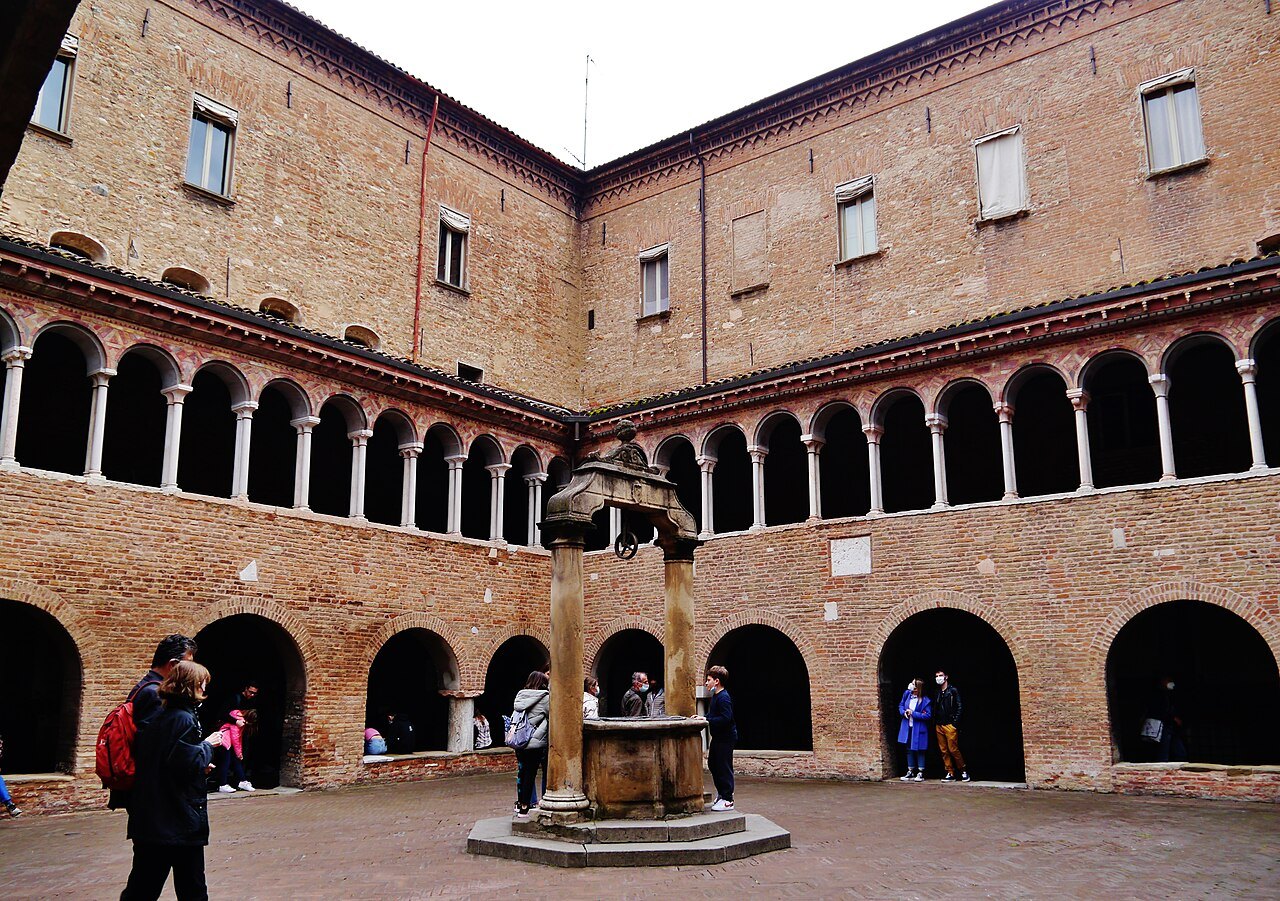
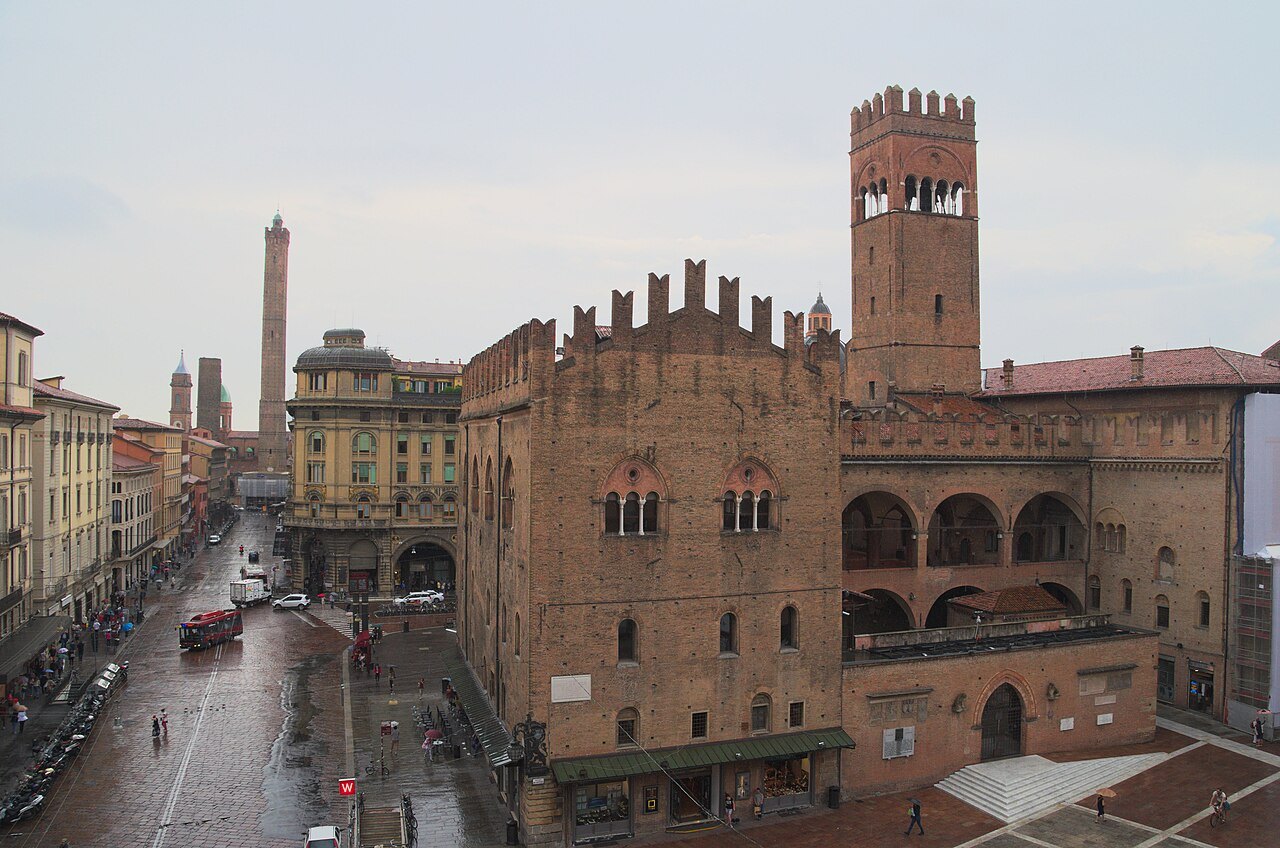
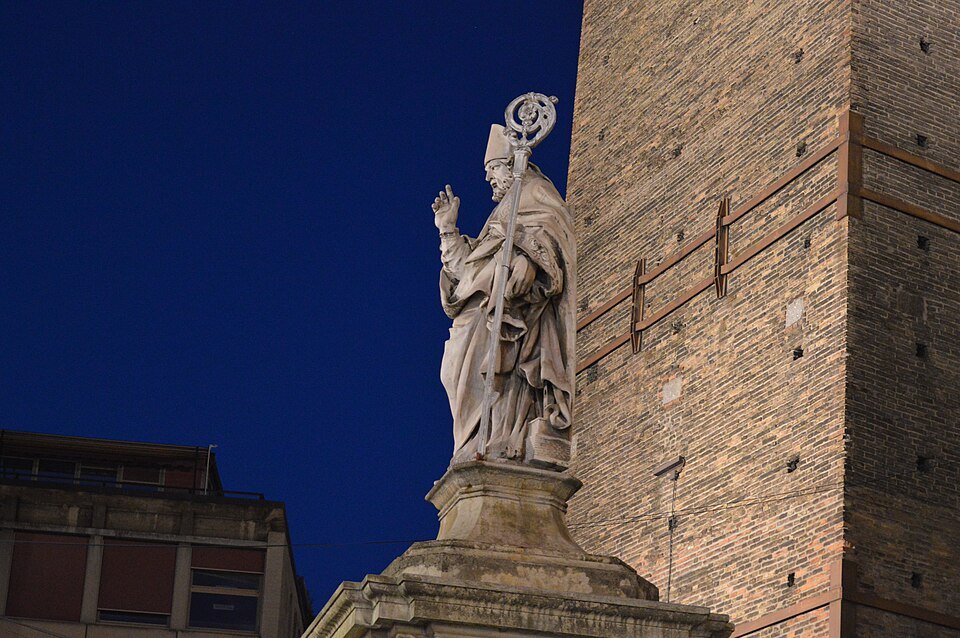 Which porticoes are worth a detour, and which you will walk anyway
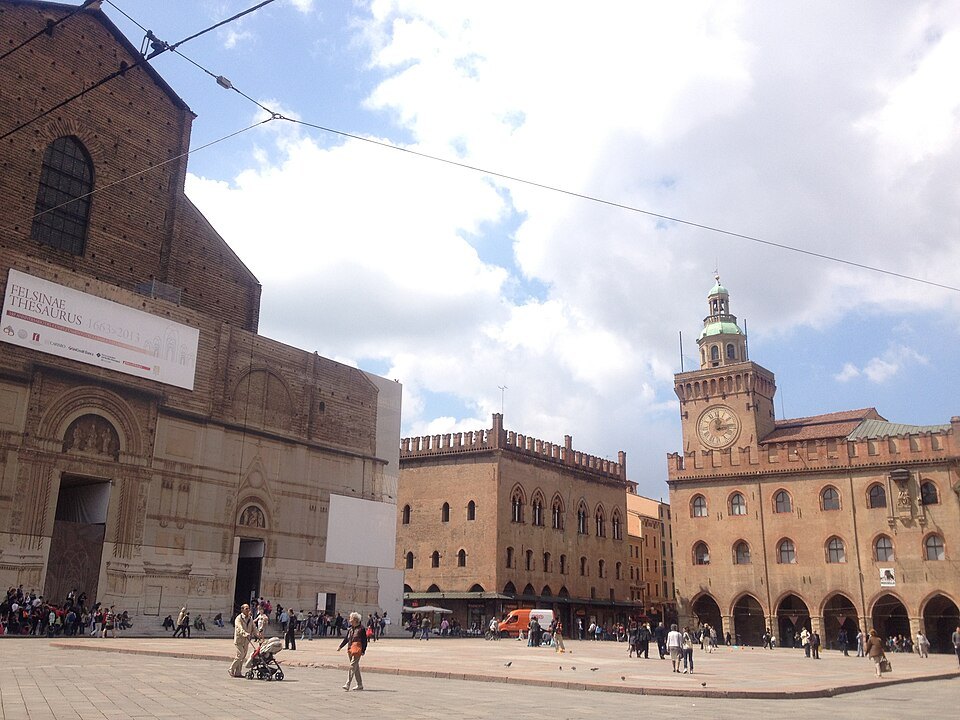 Spend your first evening in Bologna under the arcades
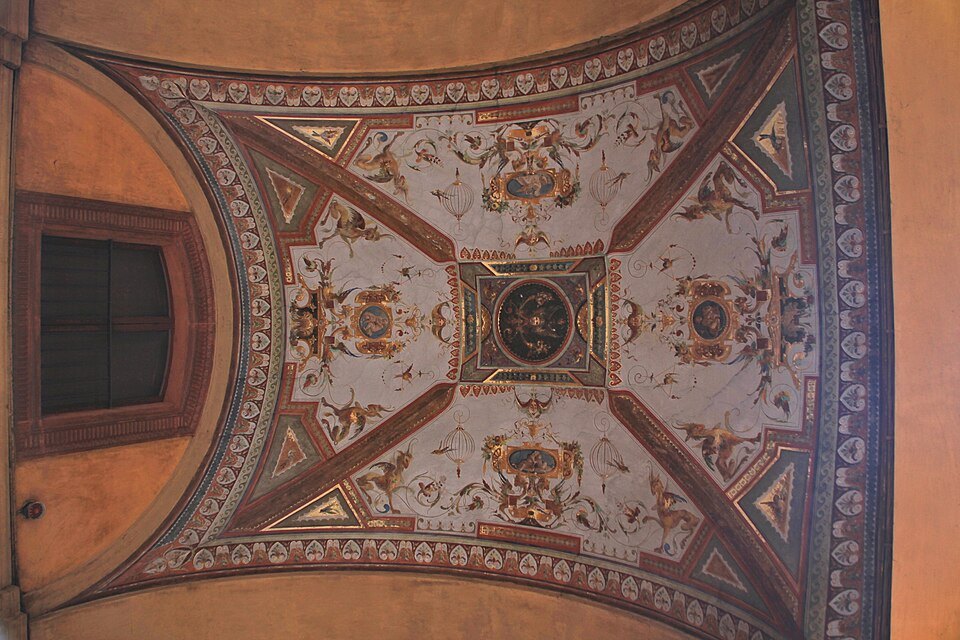 A rainy day in Bologna hardly changes the plan