A great many trips to northern and central Italy face the same question somewhere in the planning: Florence or Bologna? The two cities are close enough that the high-speed train between them takes under forty minutes, which means you do not have to choose which one to see. You only have to choose which one to wake up in.
That choice matters more than it looks, because it changes the shape of every day. This piece is not a verdict — both are good bases — but a way of seeing what each one does to your trip.
The geography is the whole argument
Bologna sits on the edge of the Po plain, at the point where the main rail lines of northern Italy meet. That is why it is the junction of the country's high-speed network. From Bologna Centrale the fastest direct trains reach Florence in under forty minutes, Milan in about an hour, Verona in under an hour, Venice in about an hour and a half, and Rome in a little over two hours.
The cities of Emilia-Romagna are closer still. Modena is about half an hour west along the Via Emilia; Ferrara is under an hour north; Parma about an hour to the north-west; Ravenna a little over an hour to the east. All of them are covered on the day trips page.
Florence sits on the other side of the Apennines, in Tuscany, and its natural day trips are Tuscan: Pisa, Lucca, Siena and the hill towns. Those are Florence's excursions, not Bologna's, and they are much harder to reach from the Bologna side of the mountains.
So the first question is simple: which region do you want to spend your days in? If your list is Ravenna's mosaics, Modena, Ferrara and Parma, Bologna is the obvious base. If it is Siena and the Tuscan countryside, Florence is.
What a day trip really costs in time
Journey times on a timetable understate how long a day trip takes, and the gap is bigger in some stations than others.
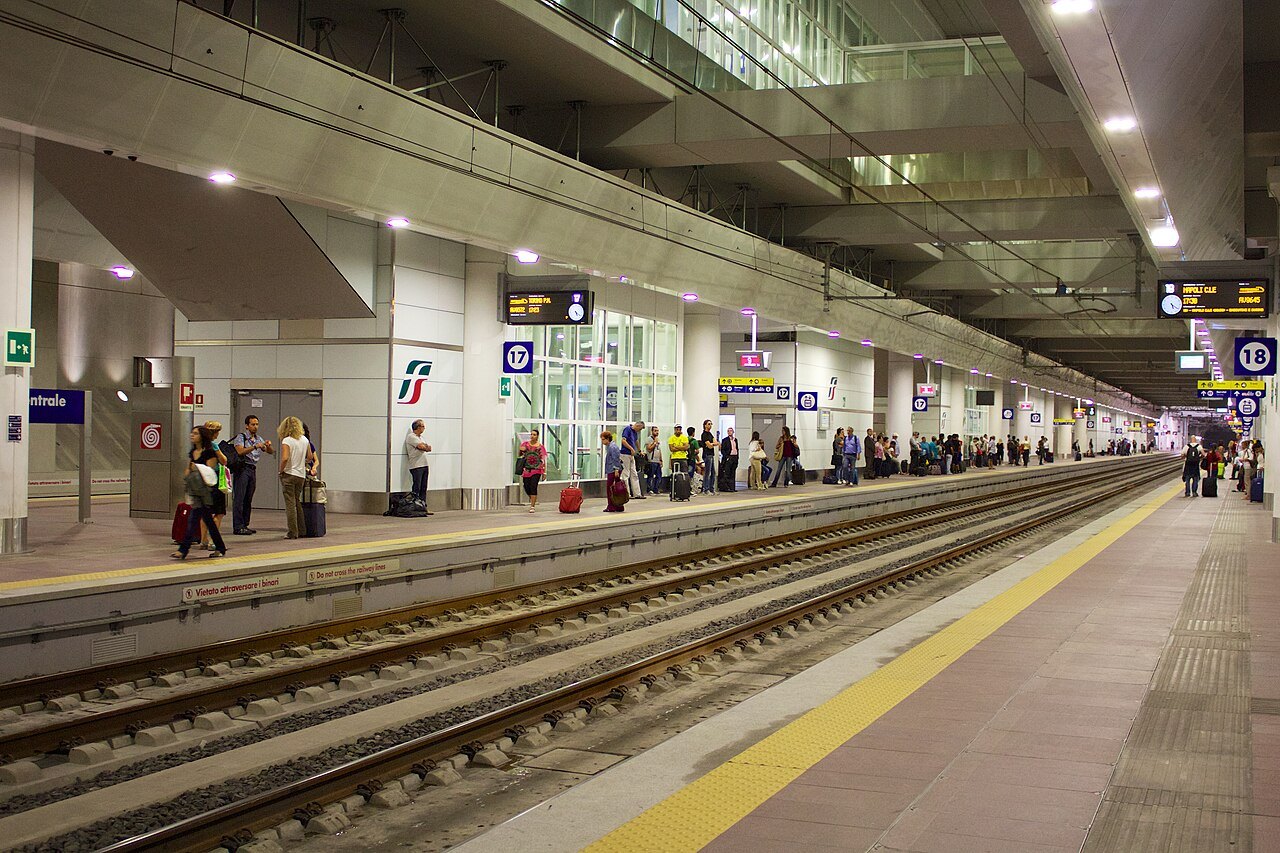
Note At Bologna Centrale, the high-speed trains do not leave from the station you see. They use a separate hall built deep underground beneath the historic station, reached by long escalators and walkways. Allow real time between the street and a high-speed platform — ten or fifteen minutes is prudent, more with luggage — and check which level your train uses before you set off across the concourse. Getting here explains the layout.
Regional trains to the smaller cities of Emilia-Romagna mostly use the surface platforms, which are quicker to reach. If you hold a paper regional ticket, validate it before boarding.
The practical consequence: a "forty-minute" hop from Bologna to Florence is really a morning's movement once you add the walk to the station, the descent to the platforms and the walk from Florence's Santa Maria Novella station into the center. It is still an easy day trip. It is not a quick one.
Where you spend your evenings
This is the part people forget. A base is not only where you start each day; it is where you end it.
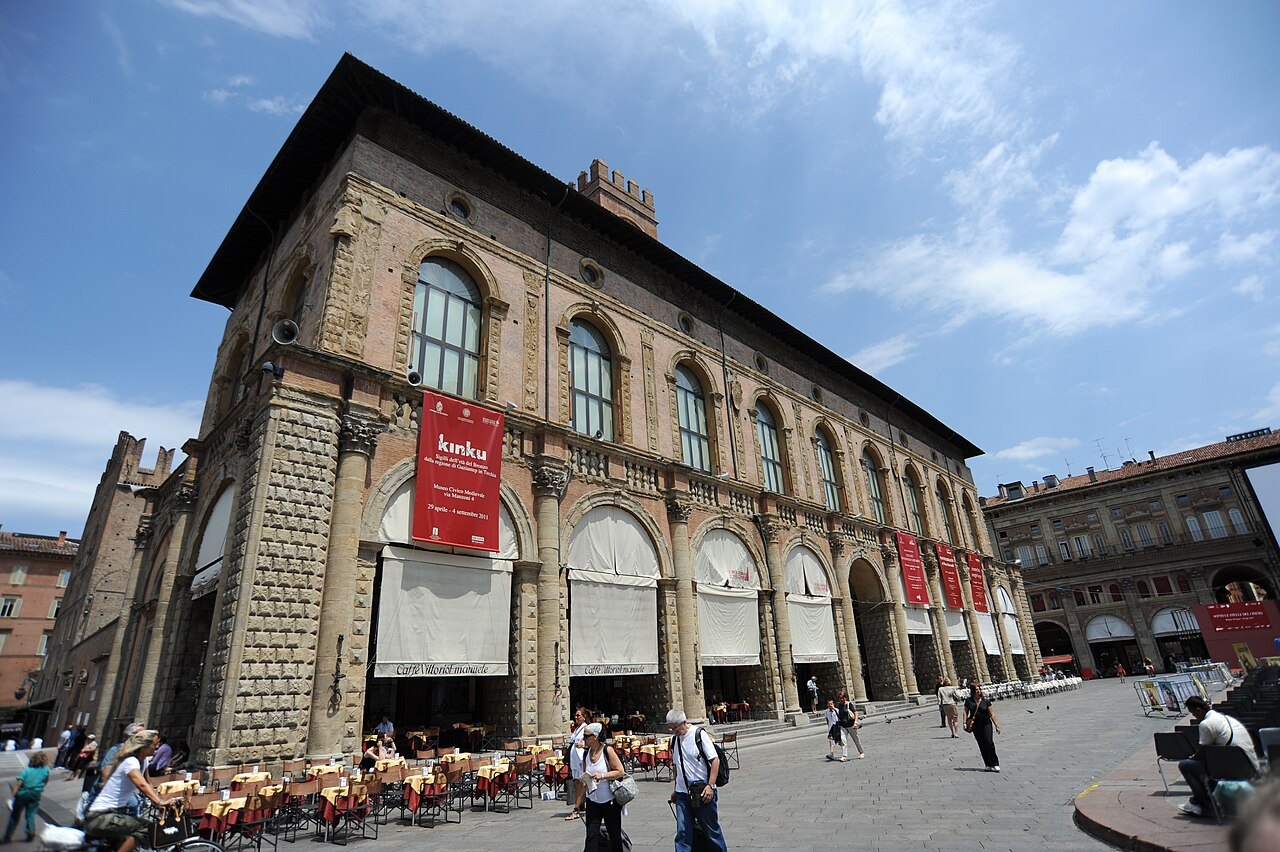
If you sleep in Florence and visit Bologna, you see Bologna in daylight and leave before its best hours. You miss the Quadrilatero filling up in the early evening, the arcades lit from below, the students crowding into Piazza Verdi. See a first evening under the arcades for what those hours are like.
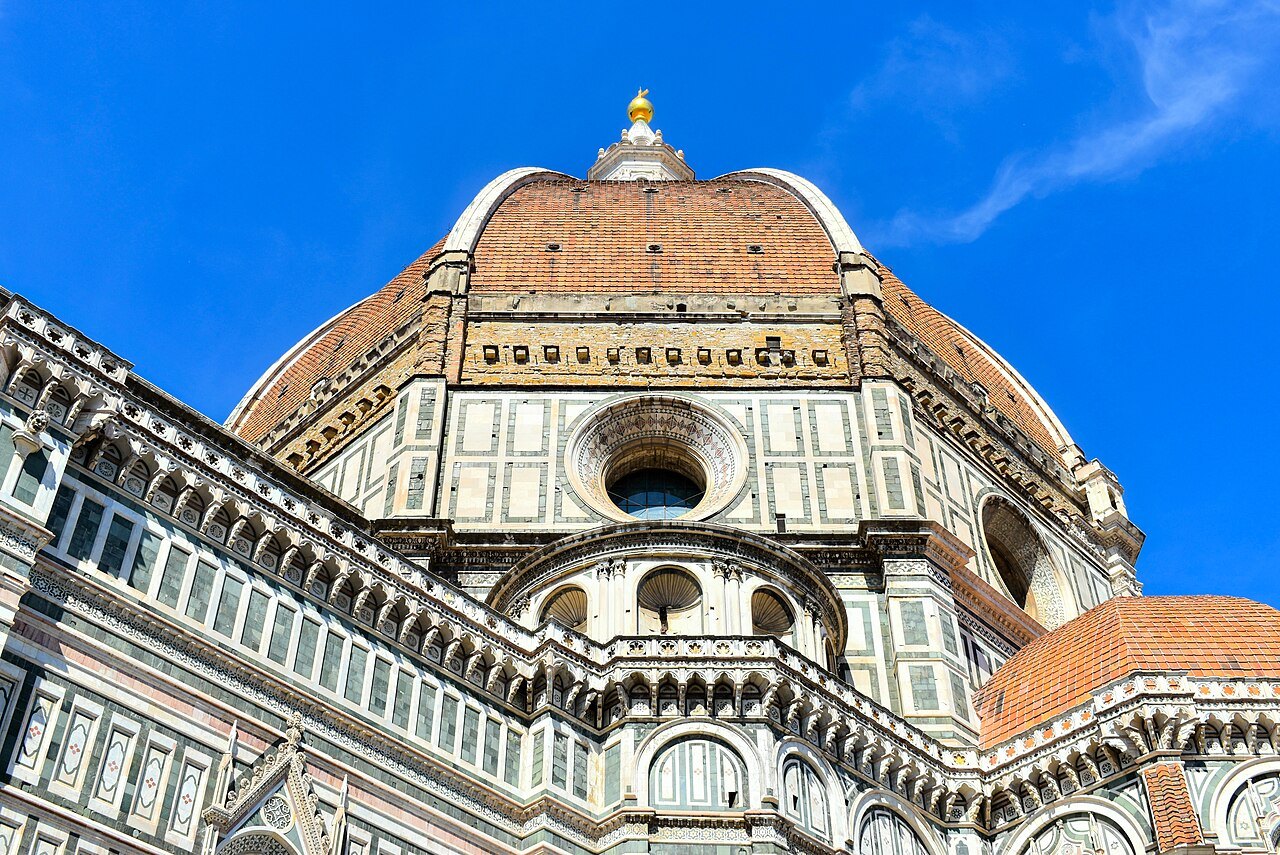
If you sleep in Bologna and visit Florence, the trade runs the other way: you see Florence's great sights by day and miss the Arno at dusk. Both cities are better in the evening than a day-tripper ever finds out, so the question is which evenings you would rather have.
Crowds, bookings and the rhythm of a day
Florence is one of the most visited cities in Italy, and its great museums are planned around that: many visitors book the most famous ones well ahead, and the center is busy for much of the year.
Bologna asks much less of you. Almost everything in this guide is walk-in — the squares, the churches, the porticoes, the markets and the walk to San Luca need nothing arranged. The exceptions are few: a room in a trade-fair week, the tower climb when it is running, and dinner on a weekend night. See booking ahead.
If what tires you on holiday is queues and timed entries, Bologna makes a gentler base, and Florence becomes a day you plan carefully rather than a week you plan around.
The weeks that change the answer
Note Bologna has one of Italy's largest exhibition centers, and during its big trade fairs the city's hotels fill and rates climb. The dates move every year. If your trip falls in a fair week, check early — it may be the one situation in which staying in Bologna is harder than staying in Florence. When to come covers the calendar.
August works the other way in both cities: much of the local life shuts for the summer holidays, especially around Ferragosto on 15 August, and many family-run restaurants close for a week or more.
A simple way to decide
- Base in Bologna if your day trips are Ravenna, Modena, Ferrara, Parma or Verona; if you want your evenings in a lively, local, student city; and if you prefer walking into things to booking them.
- Base in Florence if your day trips are Siena, Pisa, Lucca and the Tuscan countryside, and Florence's museums are the heart of the trip.
- Split the stay if you can. Two or three nights in each costs you one short train ride and gives you both sets of evenings.
Whatever you choose, give Bologna at least one night. It is the city most often seen in a rushed afternoon from somewhere else, and it is the one that most rewards staying. If you are moving between the two with bags, see what to do with your luggage between the train and the hotel, and for a first look at the city from above, where to see Bologna from above.
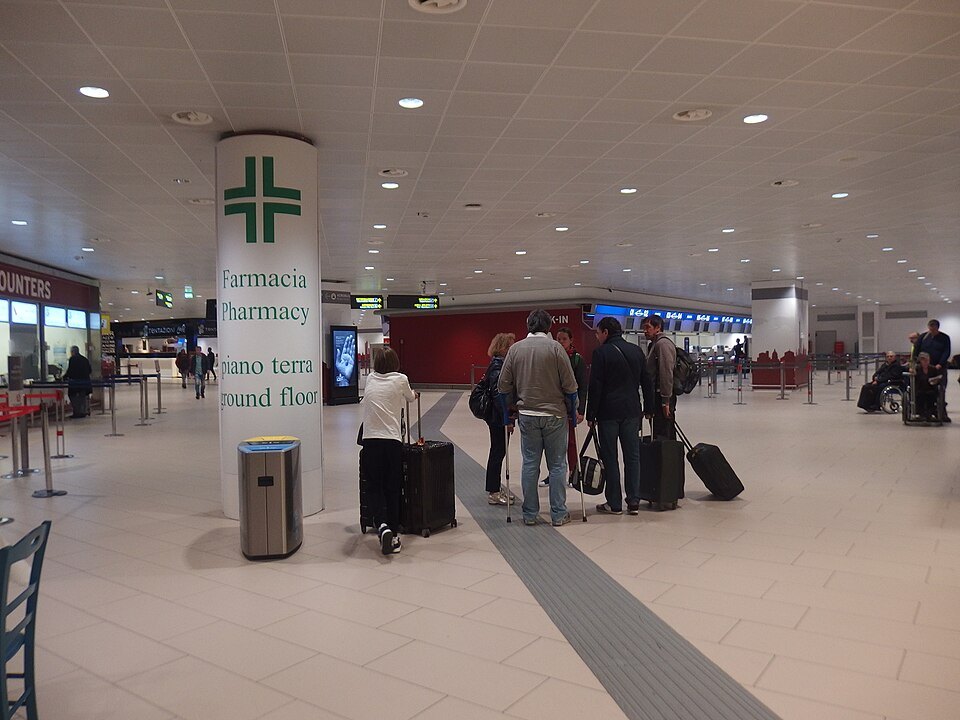 What to do with your luggage between the train and the hotel
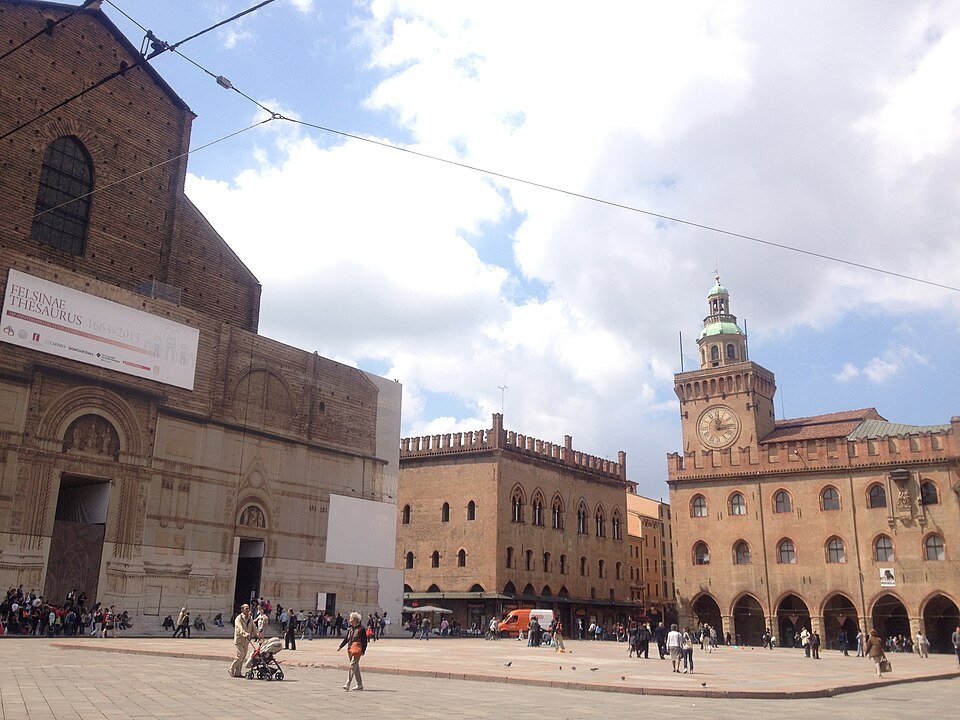 Spend your first evening in Bologna under the arcades
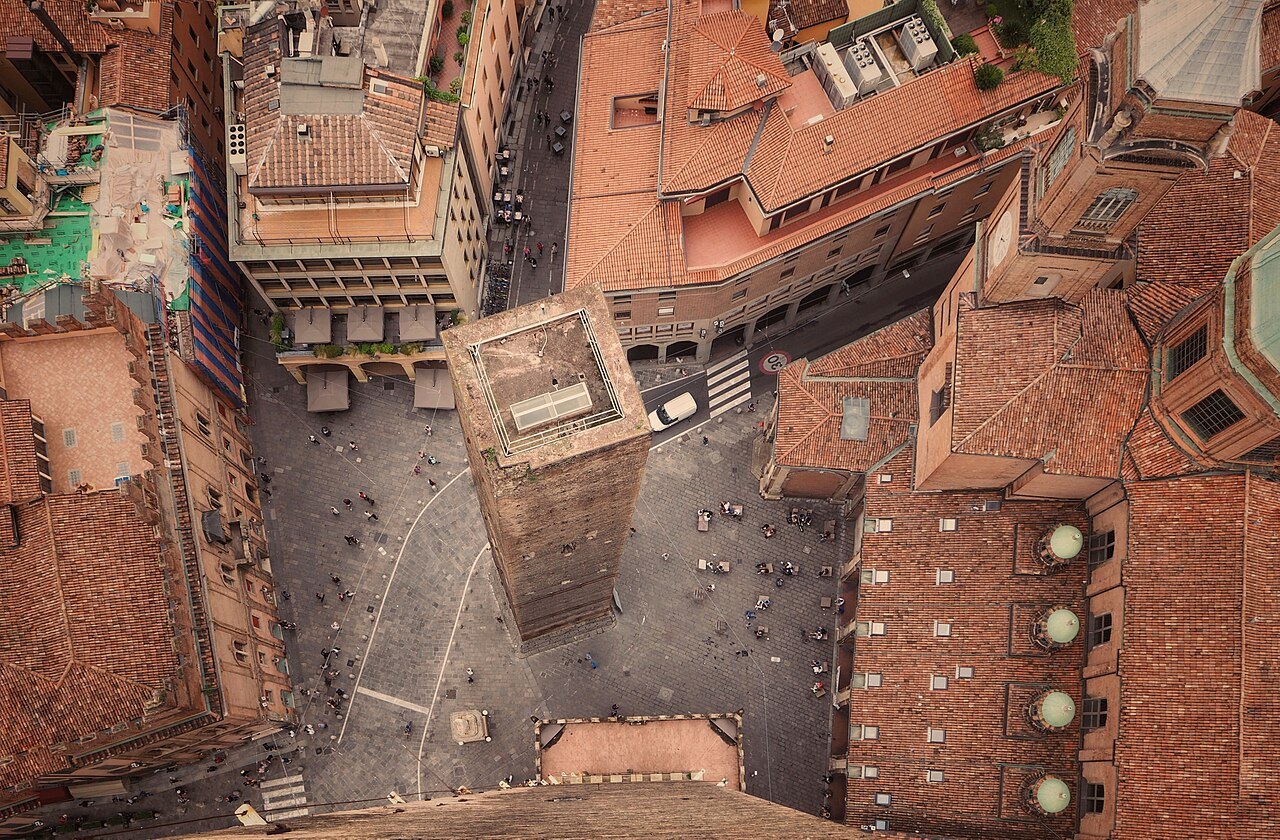
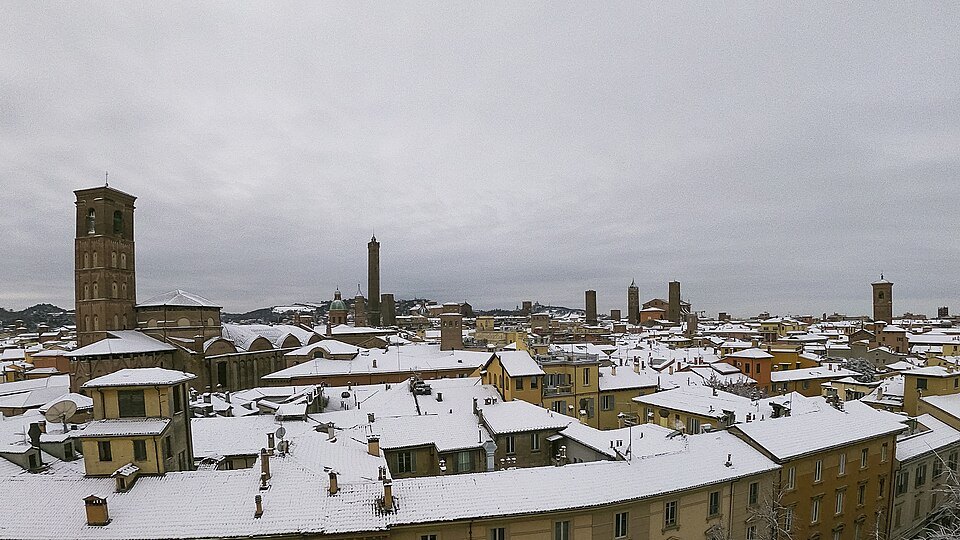 Where to see Bologna from above when you cannot climb the tower