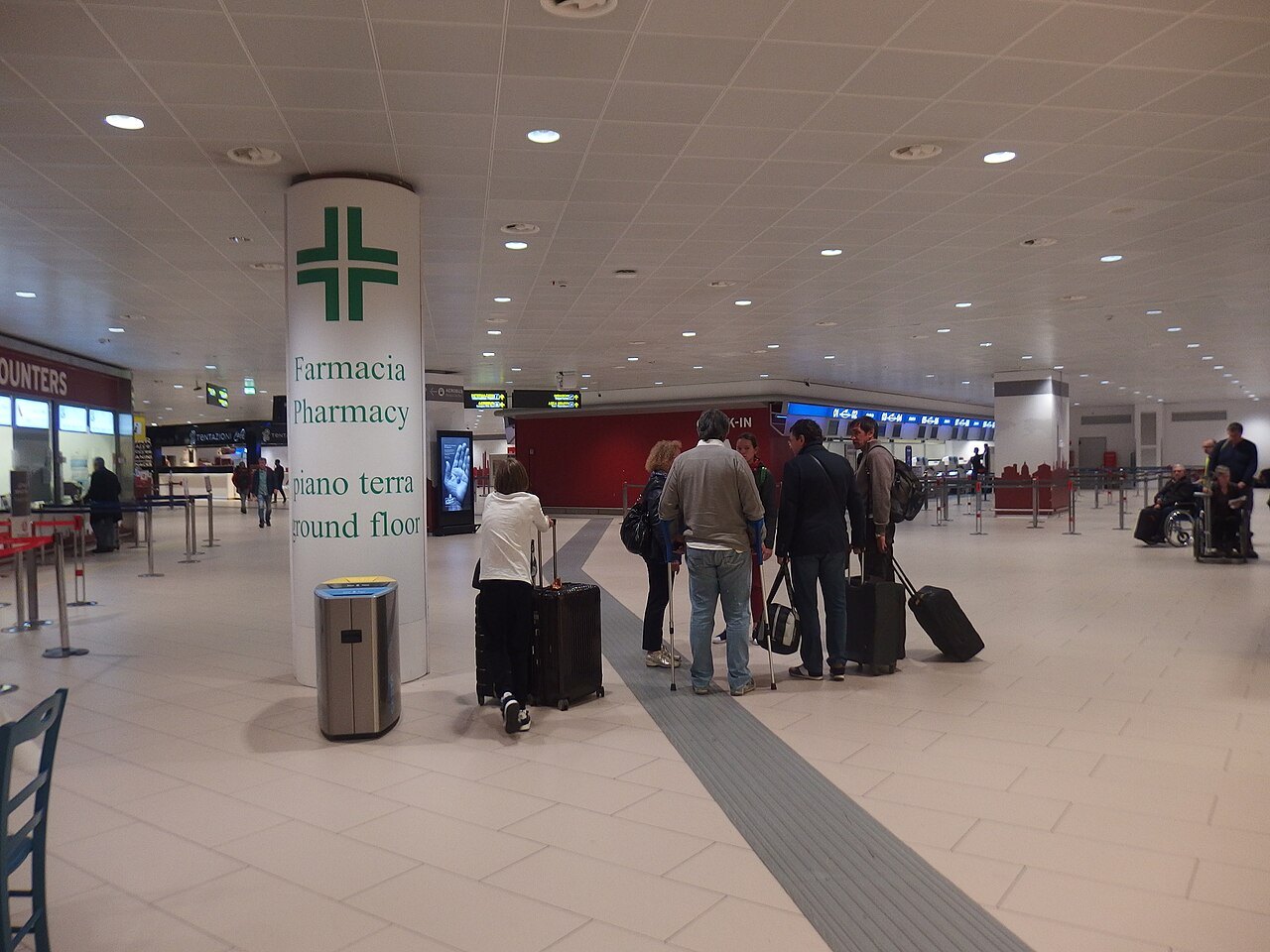
Trains and flights do not care when hotels let you into your room. Most visitors to Bologna meet the same gap at least once: an early arrival with hours to fill before check-in, or a late departure after a morning check-out. Spend those hours dragging a suitcase over the cobbles of the old center and you lose half a day of a short trip.
The good news is that Bologna is a small, walkable city with several ways to solve this. The right one depends on where you arrive and where you are sleeping.
First, ask the hotel
The simplest answer is often the free one. Many hotels and guesthouses will keep a bag for you before check-in and after check-out if you ask. The time to ask is when you book, or in a message a few days before you arrive, not at the door — especially if you are staying in a small guesthouse or a rented apartment, where there may be nobody on site to hand the bag to.
If your accommodation is in the historic center, dropping the bag there first has another advantage: you walk the rest of the day unencumbered, and you learn the way back to your room while it is still light. See neighborhoods for what each part of the center is like.
Note Wherever you leave a bag, take out anything you cannot do without for the rest of the day — passport, medicine, chargers, the ticket for your onward train — before you hand it over. A stored bag is a convenience, not a safe you can open on a whim, and you may not be able to reach it again until you come back for it.
Arriving by train at Bologna Centrale
Bologna Centrale is at the northern edge of the old city, and it is where most visitors arrive.
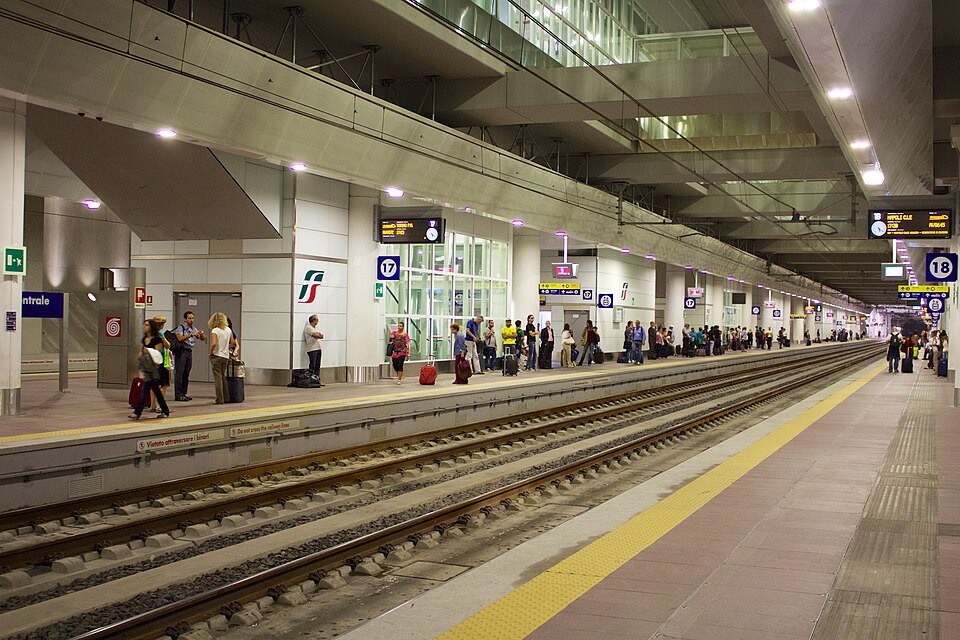
Note If you come in on a high-speed train, you arrive in a separate hall built deep underground beneath the historic station, and you will ride long escalators and walk long corridors before you reach the street. With a heavy bag that takes real time, so do not plan a tight connection or a meeting at the station entrance for the minute your train is due. Getting here explains the layout.
Bologna Centrale has an official, staffed left-luggage office inside the station, on its western side. It is the obvious choice if you are passing through Bologna for a few hours between two trains, or if you are leaving on a train at the end of the day and want the bag waiting where you will need it. Check the service's own information for how it works.
If you are going into the center with the bag, the walk from the station to Piazza Maggiore down via dell'Indipendenza takes about a quarter of an hour and is under porticoes most of the way, which is a real kindness in rain or summer heat.
Arriving by air
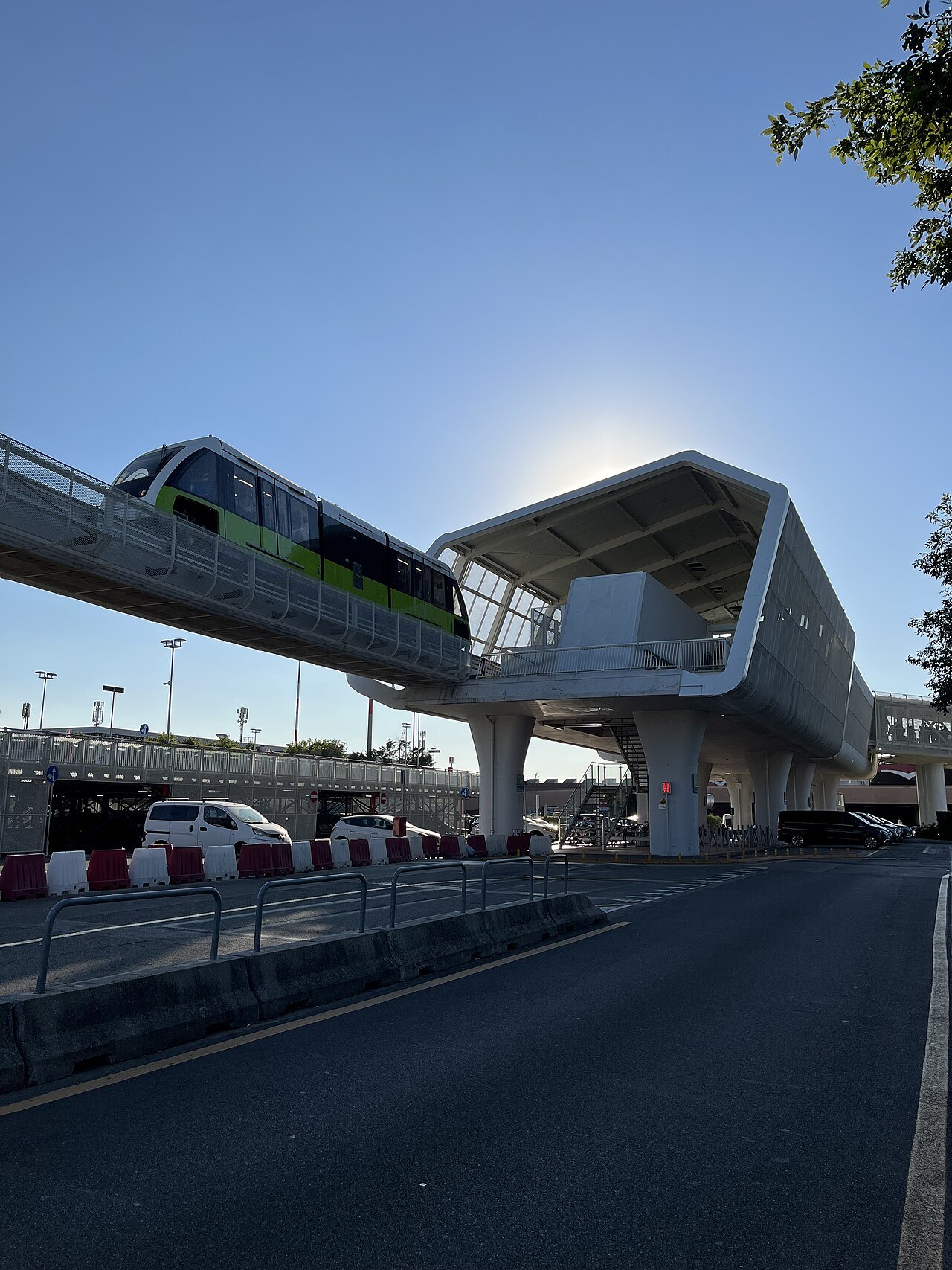
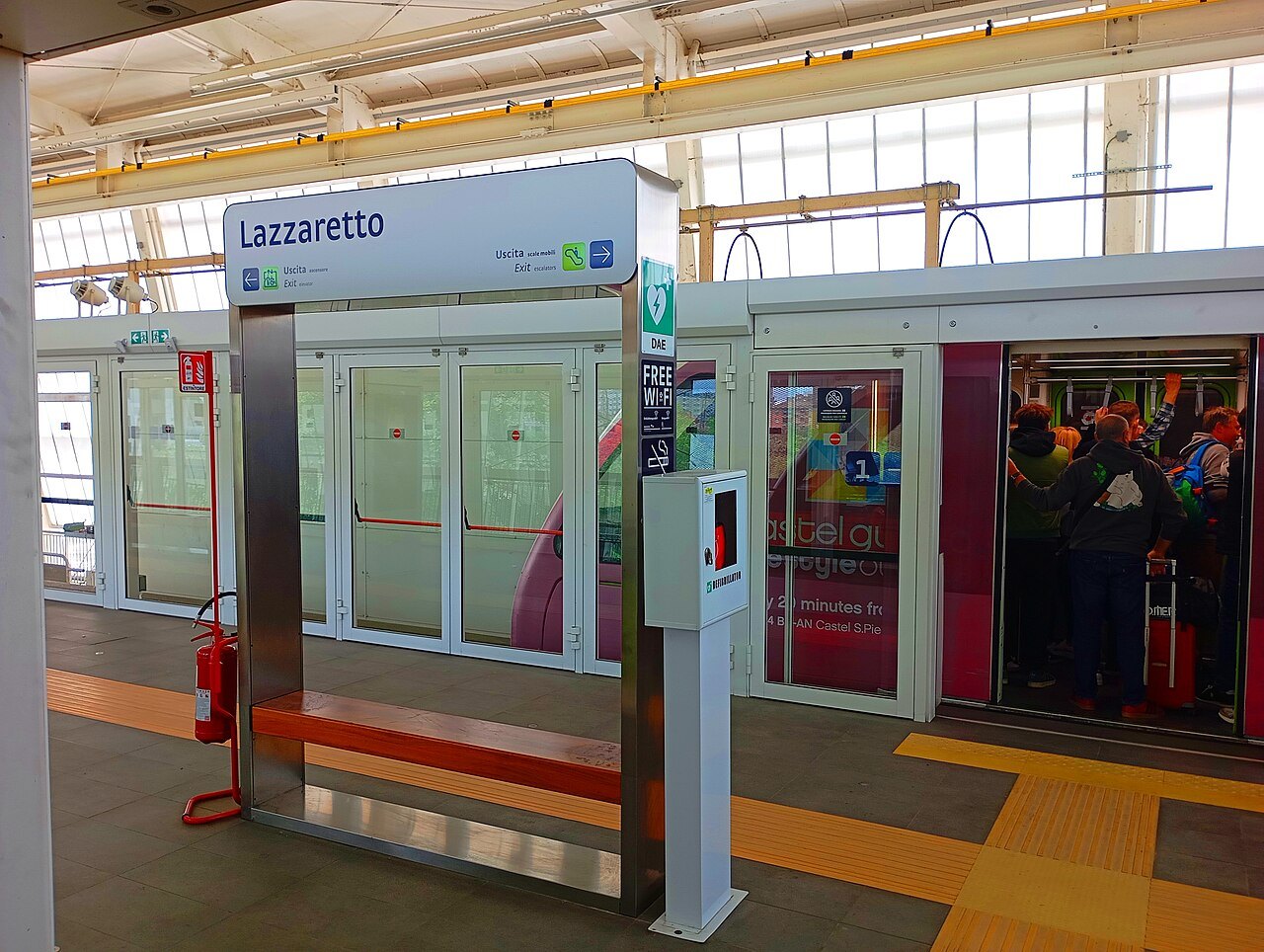
From Bologna's Guglielmo Marconi airport, the Marconi Express people-mover runs to Bologna Centrale in under ten minutes, with one stop on the way at Lazzaretto. It delivers you to the station, where the options above apply. Taxis wait outside arrivals if you would rather go straight to your door.
Note Before booking a flight, check which airport it actually uses. A fare sold as "Bologna" or "Emilia-Romagna" may land at Forlì or Rimini, and flights to Pisa or Florence land on the other side of the Apennines; from any of them, Bologna is a separate journey with your bags.
Arriving by coach or by car
Long-distance coaches use the Autostazione, on the northern edge of the center beside the Montagnola park, a short walk from the station. Some operators stop elsewhere; the stop on your ticket is the one that counts.
Note If you arrive by car, the bag is not the problem — the ZTL is. Much of the historic center is a limited traffic zone watched by cameras that record unauthorized cars. If your hotel is inside it, ask the hotel before you arrive whether it can register your plate, and follow its instructions exactly. Otherwise park outside the center and carry the bag in.
Moving a suitcase around the center
If you do end up wheeling a case through the old city, a few things help.
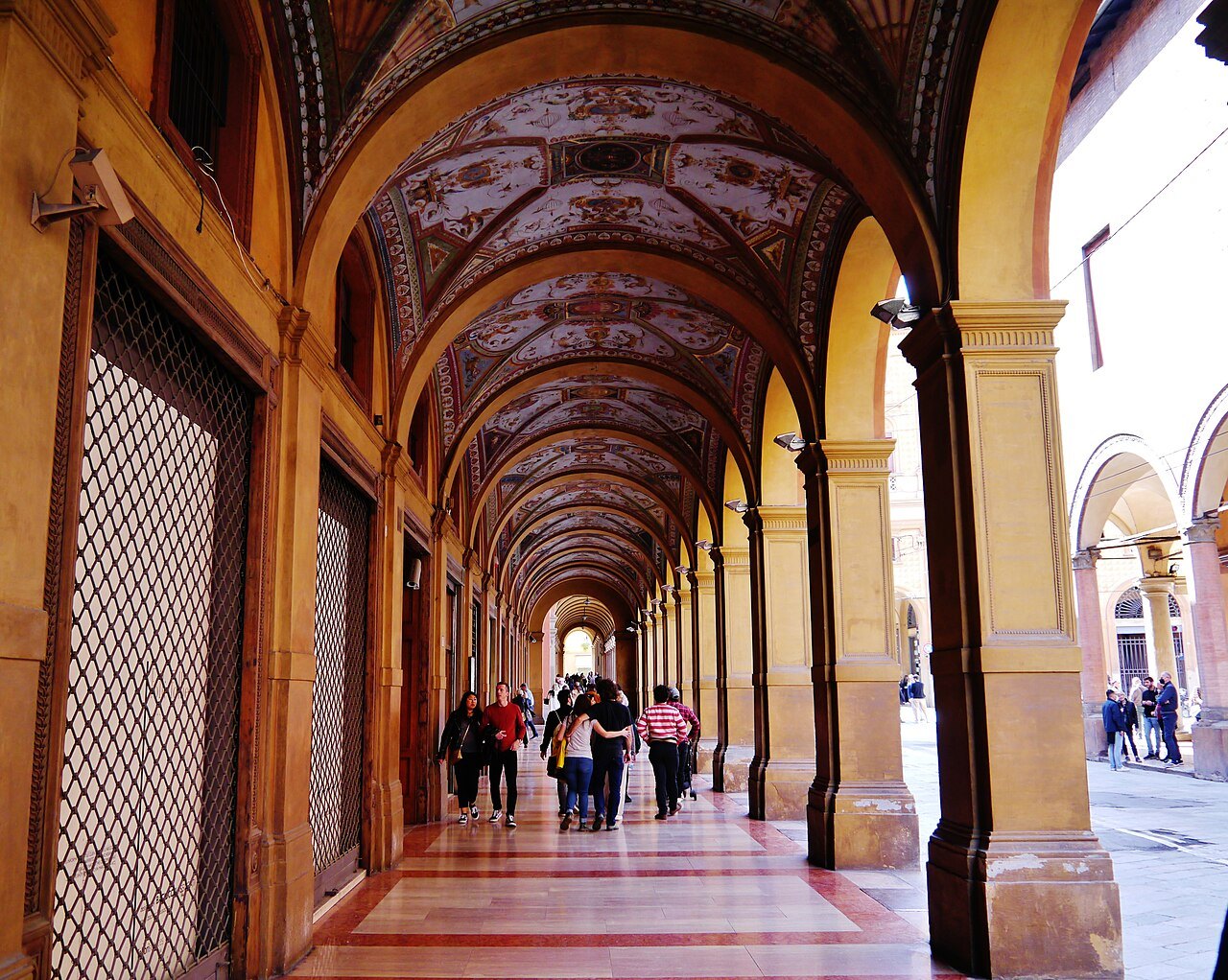
- Stay under the porticoes. Their pavements are generally smoother than the cobbled lanes, and they keep you and the bag dry.
- Keep right and do not stop dead. The space under a portico is shared with café tables, parked bicycles and people walking fast.
- Avoid the market lanes with a big case. The Quadrilatero is narrow and crowded at lunchtime and in the early evening; leave the bag somewhere first and come back to eat.
- Use the weekends. On weekends and holidays via Rizzoli, via Ugo Bassi and via dell'Indipendenza are handed over to people on foot, which makes them easy to cross with a case.
On the day you leave
The departure gap is often the harder one, because you have already given up your room. Plan the last morning around the things that are best without a bag and close to where it is stored: a walk under the arcades, a last look at the two towers, lunch in the market lanes. Save the long walk to San Luca for a day you are not racing a train.
If you are splitting a trip between two cities, the luggage question comes up twice. See choosing between Bologna and Florence as a base for how much moving around each option involves, and once the bag is safely stowed, spend your first evening under the arcades.
Booking the practical bits
Some links on this page are affiliate links. If you book through one we may earn a commission, at no extra cost to you. It does not affect what is recommended here, and no sight page on this site carries one.
Two planning services fit this exact gap: somewhere to leave a bag near where you are between the train and the hotel, and mobile data that works the moment you arrive, for maps and bus information.
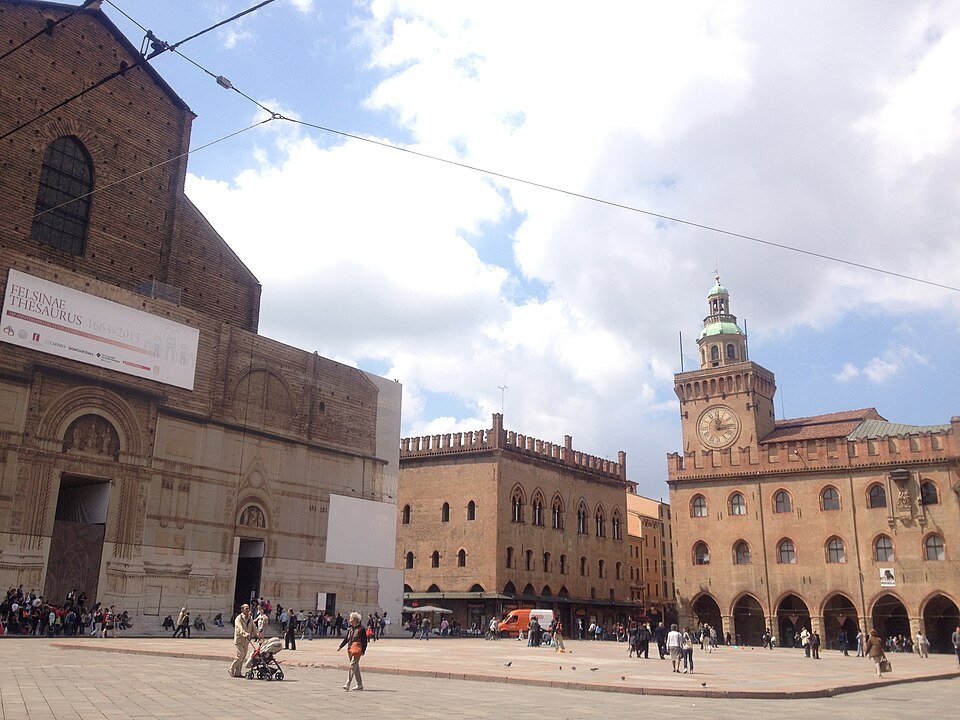 Spend your first evening in Bologna under the arcades
 Choosing between Bologna and Florence as a base changes what your days look like
 A rainy day in Bologna hardly changes the plan